Economic Uncertainty and the Rise of the Experience-First Luxury Traveller
Economic Uncertainty and the Rise of the Experience-First Luxury Traveller

What is an experience-first traveller?
An experience-first traveller is an affluent guest who prioritises meaningful, personal experiences over price when booking travel. Despite economic uncertainty, luxury travel demand remains strong; travellers are becoming more selective rather than spending less, favouring hotels that offer authentic, memorable experiences over standard amenities.
Economic headlines can create the impression that travel demand is under pressure.
Rising costs, geopolitical uncertainty, fluctuating consumer confidence and changing spending habits are all contributing to a more cautious economic environment. Yet despite these challenges, luxury travel continues to show remarkable resilience.
The difference is that luxury travellers are becoming more selective.
Rather than spending less, many affluent guests are placing greater emphasis on experiences that feel meaningful, memorable and personal. The result is the emergence of what hospitality analysts are calling the 'experience-first traveller'.
For independent luxury hotels, this trend presents a significant opportunity - provided their digital strategy evolves to reflect changing guest expectations.
Luxury Is No Longer Defined by Facilities Alone
For years, luxury hotel marketing focused heavily on physical assets.
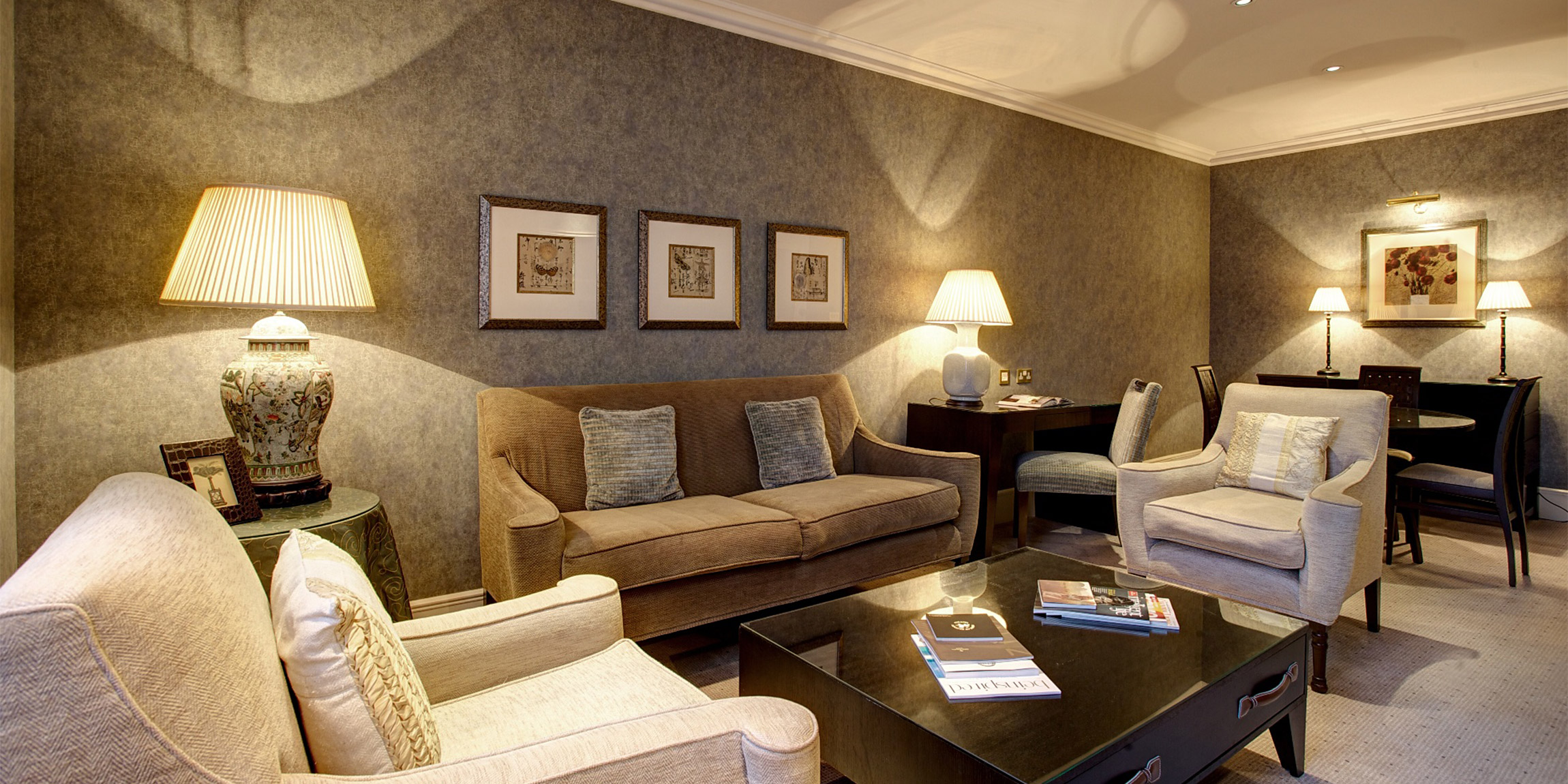
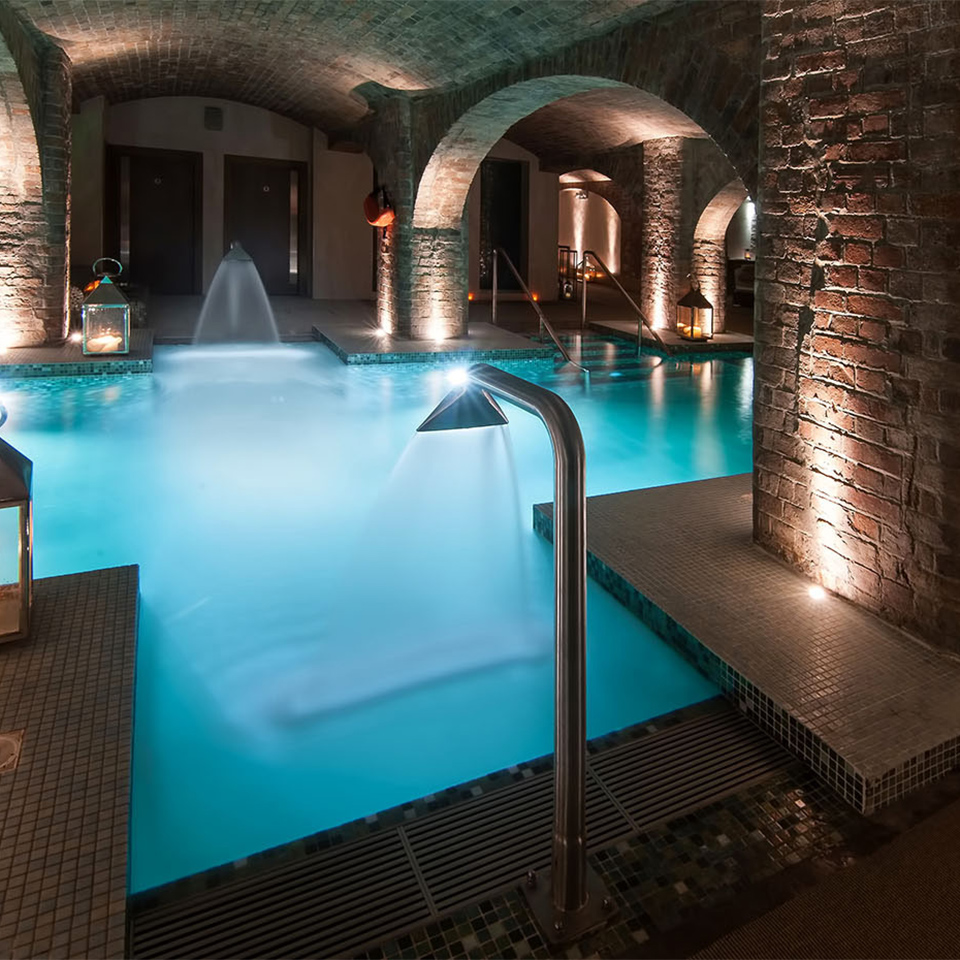
Large suites, fine dining restaurants, spa facilities and premium amenities were often the centrepiece of a hotel's website. While these elements remain important, they are increasingly viewed as expected rather than exceptional.
Today's luxury guest wants more.
They are looking for unique experiences that cannot easily be replicated elsewhere. Whether it is a private food tour with local producers, a wellness retreat tailored to individual needs, a cultural immersion programme or exclusive access to regional attractions, experiences are becoming a key driver of booking decisions.
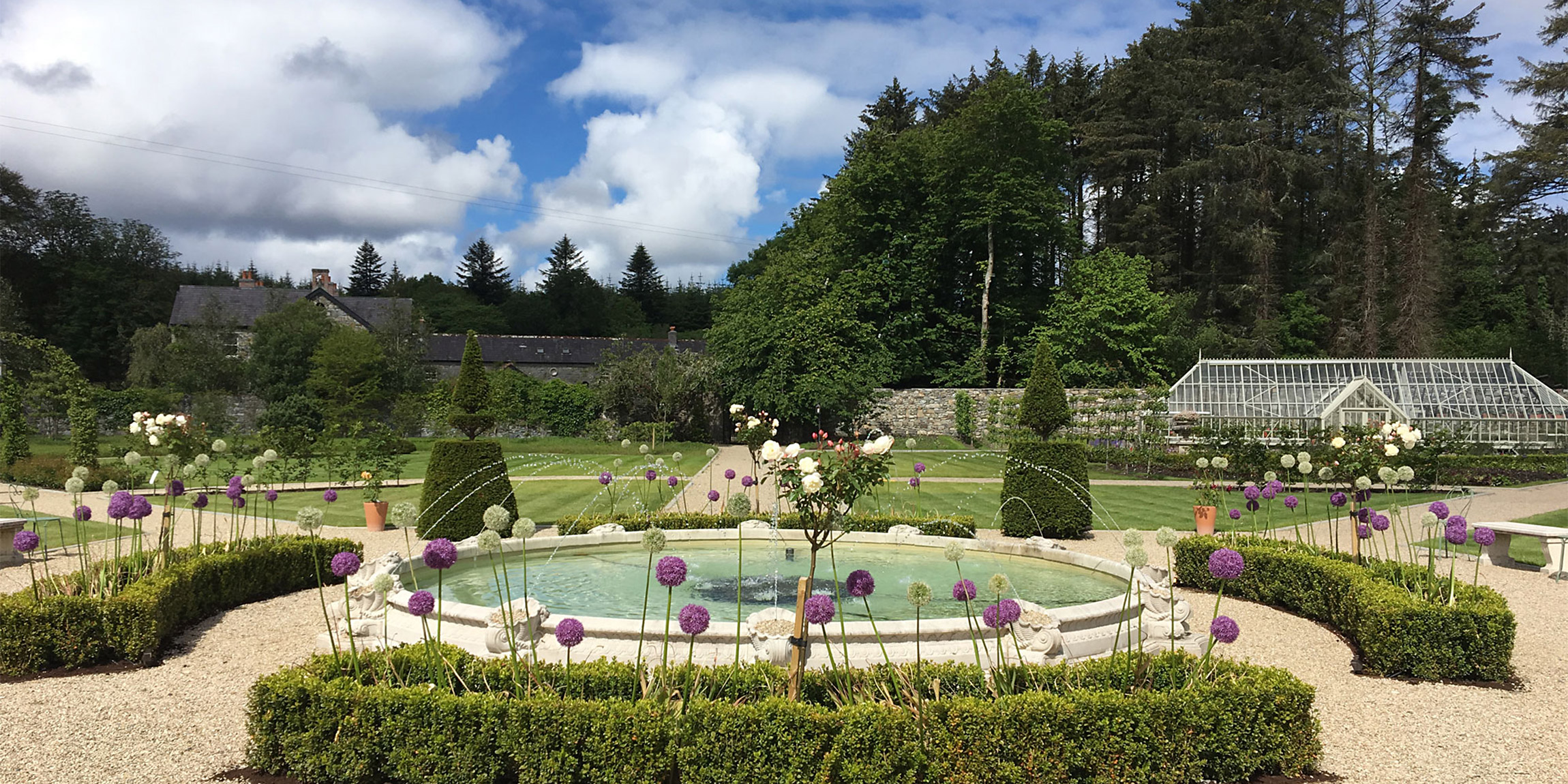
Independent hotels often have a natural advantage here because they are deeply embedded in their destinations and can offer authentic local connections that larger hotel groups struggle to replicate.
Packaging these experiences into bookable offers!
Your Website Must Sell the Experience, Not Just the Room
Many hotel websites still dedicate the majority of their content to room descriptions and property facilities.
Yet if guests are increasingly searching for experiences, websites must adapt accordingly.
Rather than treating experiences as secondary content hidden within the navigation, bespoke hotel websites should place them at the centre of their digital storytelling.
High-quality photography, immersive video content, local guides, curated itineraries and dedicated experience landing pages can all help potential guests visualise the stay before they book.
The objective is simple: move the conversation away from accommodation and towards transformation.
Guests should leave the website understanding not just where they will stay, but how they will feel.
Booking Engines Need to Support Experience-Led Purchasing
The booking engine is equally important.
A common challenge for many hotels is that experiences are promoted effectively on the website but become disconnected from the booking process.
Modern booking engines should make it easy for guests to build personalised stays by adding experiences, upgrades and packages directly during the reservation journey.
Opportunities may include:
- Wellness and spa programmes
- Private dining experiences
- Local excursions and tours
- Seasonal events
- Exclusive access packages
- Multi-night curated itineraries
Not only does this create a stronger guest experience, but it will also significantly increase booking value and discretionary spending. Our research has shown time and again that direct bookers stay for longer and spend more money in the hotel while they are there.
Booking engines built for this kind of purchasing!
Direct Booking Becomes More Important During Economic Uncertainty
Economic uncertainty places greater pressure on marketing budgets and profitability.
In this environment, direct bookings become even more valuable. Every reservation made through a hotel's own website booking engine reduces dependency on high commission-based channels and provides access to valuable first-party guest data.
Hotels that can effectively communicate their unique experiences while providing a seamless booking journey will be better positioned to attract high-intent travellers and maximise revenue.
Reducing reliance on high-commission channels!
The Future Belongs to Experience-Led Hospitality
Luxury travel is not disappearing. It is evolving.
The most successful independent hotels in the years ahead will be those that understand that guests are increasingly purchasing memories, connections and personal enrichment rather than simply accommodation.
By aligning website content, storytelling and booking engine functionality around experiences rather than facilities alone, independent luxury hotels can strengthen their brand, differentiate themselves from competitors and capture more direct bookings.
In an uncertain world, memorable experiences remain one of the few luxuries travellers continue to prioritise, and that is an opportunity independent hotels should not ignore.
The independent luxury hotels already doing this!
As always here at Aró Digital Strategy, we would be delighted to talk to you about strategies for your independent hotel. You can contact us here.