
Hotelier Guide to Delivering Quiet Luxury
Hotelier Guide to Delivering Quiet Luxury

What Luxury Guests Expect in 2026 – And Why Your Digital Strategy Matters
Luxury guests in 2026 expect effortless, authentic personalisation; a brand identity tied to a genuine sense of place; seamless technology that supports rather than replaces human service; wellness and sustainability as standard rather than differentiators; and a fast, frictionless booking journey that gives them confidence to book direct.
Luxury hospitality has always been about exceptional service, but what defines a truly memorable luxury experience has evolved. Contemporary luxury travellers are no longer simply searching for beautiful hotels or premium facilities. They seek authentic experiences, effortless personalisation, meaningful connections and the confidence that every interaction with your brand has been thoughtfully considered.
The distinction between luxury and exceptional hospitality is no longer defined by what a hotel has, but by how it makes guests feel. From the first online search and website visit to post-stay communication, every touchpoint contributes to the overall guest experience and influences booking decisions.
For independent luxury hotels, this presents both an opportunity and a challenge. While guests increasingly value individuality over standardisation, they also expect seamless technology, intuitive booking journeys and personalised communication long before they arrive.
The luxury guest experience starts with the first online search, the first website visit and the first interaction with your brand. The shift toward quieter, more restorative travel.
Hotels that consistently grow direct revenue are those that combine exceptional hospitality with an integrated digital strategy that reflects the quality of the experience awaiting guests.
1. Personalisation That Feels Effortless
The most memorable luxury experiences rarely feel manufactured. Instead, guests appreciate the subtle details that make them feel recognised, valued and understood.
Contemporary luxury travellers expect hotels to remember their preferences, anticipate their needs and deliver service that feels genuinely personal rather than scripted. This level of personalisation extends well beyond the stay itself.
A guest's journey begins online. A personalised website experience, relevant offers, tailored email communications and a seamless booking process all contribute to building trust before arrival.
Artificial intelligence and modern CRM platforms are enabling hotels to better understand guest behaviour and preferences. However, the most successful luxury hotels use technology to enhance human hospitality rather than replace it. AI should empower staff with better insights, allowing them to deliver warmer, more meaningful service.
Personalisation should feel effortless, discreet and authentic.
2. A Brand Guests Cannot Experience Anywhere Else
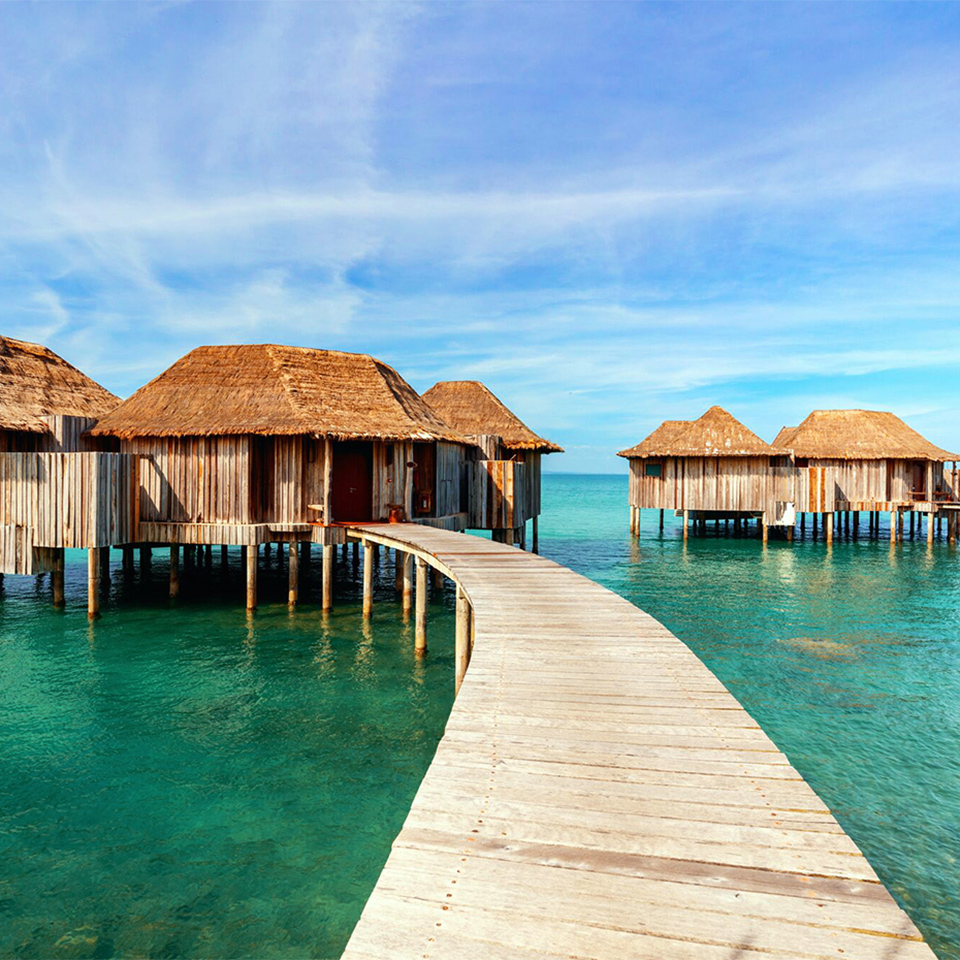
Luxury travellers increasingly seek destinations with a genuine sense of place rather than experiences that could exist anywhere in the world.
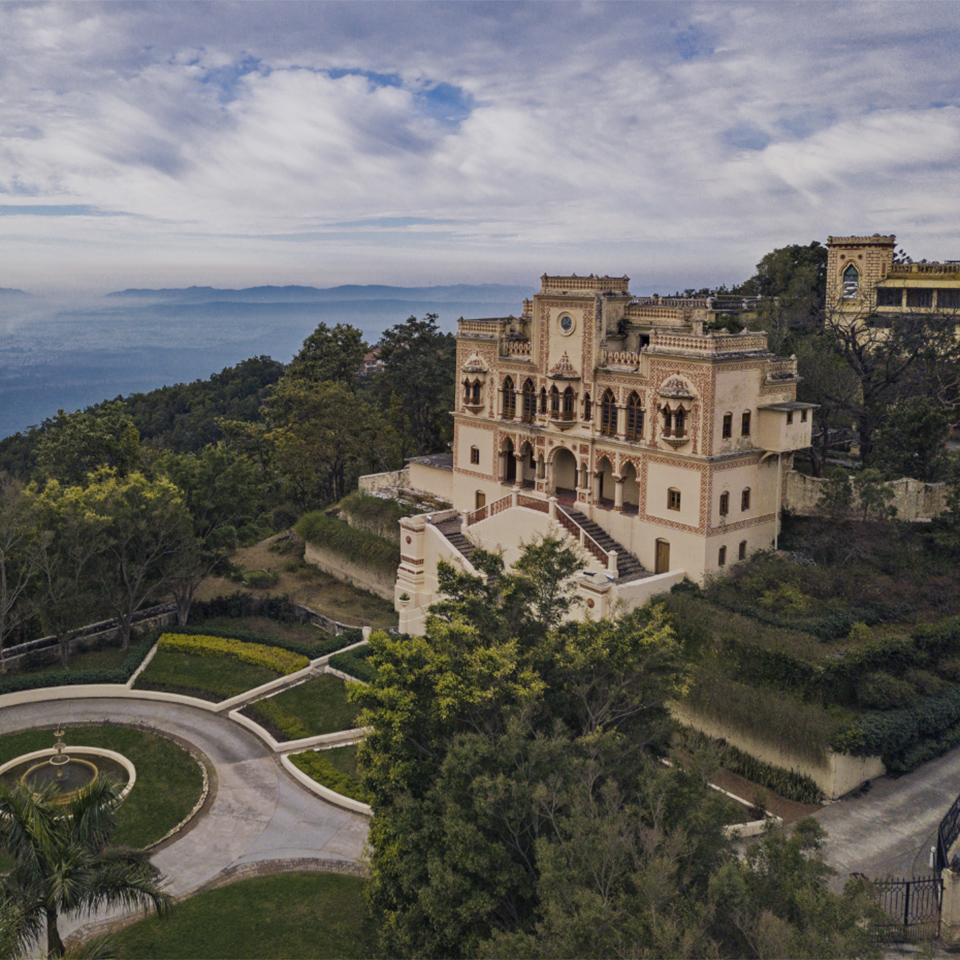
A distinctive identity has become one of a hotel's greatest competitive advantages. Guests are drawn to properties that tell authentic stories, celebrate local culture and create experiences unique to their destination.
Whether through architecture, cuisine, heritage, wellness experiences, local partnerships or personalised itineraries, successful luxury hotels clearly communicate what makes them different, guests prioritising meaningful, personal experiences.
This sense of identity should be reflected consistently across every guest touchpoint, from your website and social channels to your booking journey and on-property experience.
When your digital presence reflects the authenticity of your hotel, guests arrive with confidence that the experience will match the promise.
3. Seamless Technology Supporting Human Hospitality
Technology has become an expected part of luxury hospitality.
Guests expect fast-loading websites, intuitive booking journeys, mobile-friendly experiences and frictionless communication before, during and after their stay.
Behind the scenes, integrated technology creates operational efficiencies that allow hotel teams to focus on what they do best: delivering exceptional hospitality.
When your website, booking engine, CRM, property management system and digital marketing platforms work together, every interaction becomes more relevant, timely and personalised.
The best technology is often invisible to the guest. It removes friction while allowing genuine human service to shine.
4. Wellness, Sustainability and Meaningful Experiences
Luxury travel is increasingly defined by how guests feel rather than what they own.
Wellness has evolved beyond spa treatments to encompass sleep quality, nutrition, movement, nature, mindfulness and opportunities to disconnect from everyday life.
Similarly, sustainability has become an expectation rather than a differentiator. Contemporary luxury travellers increasingly value hotels that demonstrate genuine environmental responsibility, support local communities and preserve the character of their destination.
Hotels that communicate these values authentically strengthen guest trust while building long-term brand loyalty.
5. Confidence to Book Direct
The luxury experience begins long before arrival.
A slow website, confusing navigation or complicated booking process can undermine even the strongest brand reputation.
Guests expect elegant website design, inspiring imagery, transparent pricing and a booking experience that is both simple and secure.
Every additional click, delay or inconsistency creates unnecessary friction.
Hotels that invest in a high-performing digital ecosystem consistently achieve stronger direct booking performance, reduce OTA dependency and build more valuable long-term relationships with their guests.
Direct bookings also create opportunities for richer guest data, more personalised communication and increased ancillary revenue before and during the stay.
The Future of Luxury Hospitality
While technology continues to evolve rapidly, the most successful hotels recognise that digital innovation should support exceptional human service rather than replace it.
When every touchpoint works together, guests experience a level of consistency and care that builds trust, strengthens loyalty and encourages direct bookings.
How Aró Helps Luxury Hotels Grow Direct Revenue
At Aró Digital Strategy, we work exclusively with independent hotels, luxury resorts and hospitality brands.
Through the Aró Partner Program, we combine strategic commercial planning, conversion-focused hotel websites, fully integrated booking technology, data-driven digital marketing and dedicated expert support into one connected growth strategy.
Rather than supplying standalone technology, we become a long-term strategic partner, aligning your website, booking engine, marketing, CRM and commercial objectives to attract qualified demand, increase direct bookings, reduce OTA dependency and deliver exceptional digital guest experiences that reflect the quality of the stay itself.
Brows the independent hotels and resorts we partner with!
Because luxury hospitality requires a strategic partner committed to sustainable direct revenue growth.