
Strategies to Drive Winter Occupancy at Your Hotel
Strategies to Drive Winter Occupancy at Your Hotel

Winter can be one of the toughest periods for independent hotels. Shorter days, fewer holidays and softer midweek demand leave gaps that are hard to fill.
A strong winter strategy goes beyond competing on price and launching an offer. It combines revenue management, compelling packages, seasonal content, targeted marketing and CRM. Here's how.
1. Start with the gaps you need to fill
Before you create offers or raise ad spend, look at your forward occupancy. You may have healthy weekends but weak Sunday-to-Thursday, a strong January but a soft November, or one room type selling while others sit empty.
Review forward occupancy by day of week, booking pace against last year, booking window, ADR and RevPAR, source markets, direct versus OTA share, length of stay and last winter's campaign results. Then target the specific gaps rather than a blanket approach.
2. Sell the reason to visit, not the discount
"Winter Break – Book Now" gives guests nothing to get excited about. Ask instead why someone would want to be at your hotel in winter.
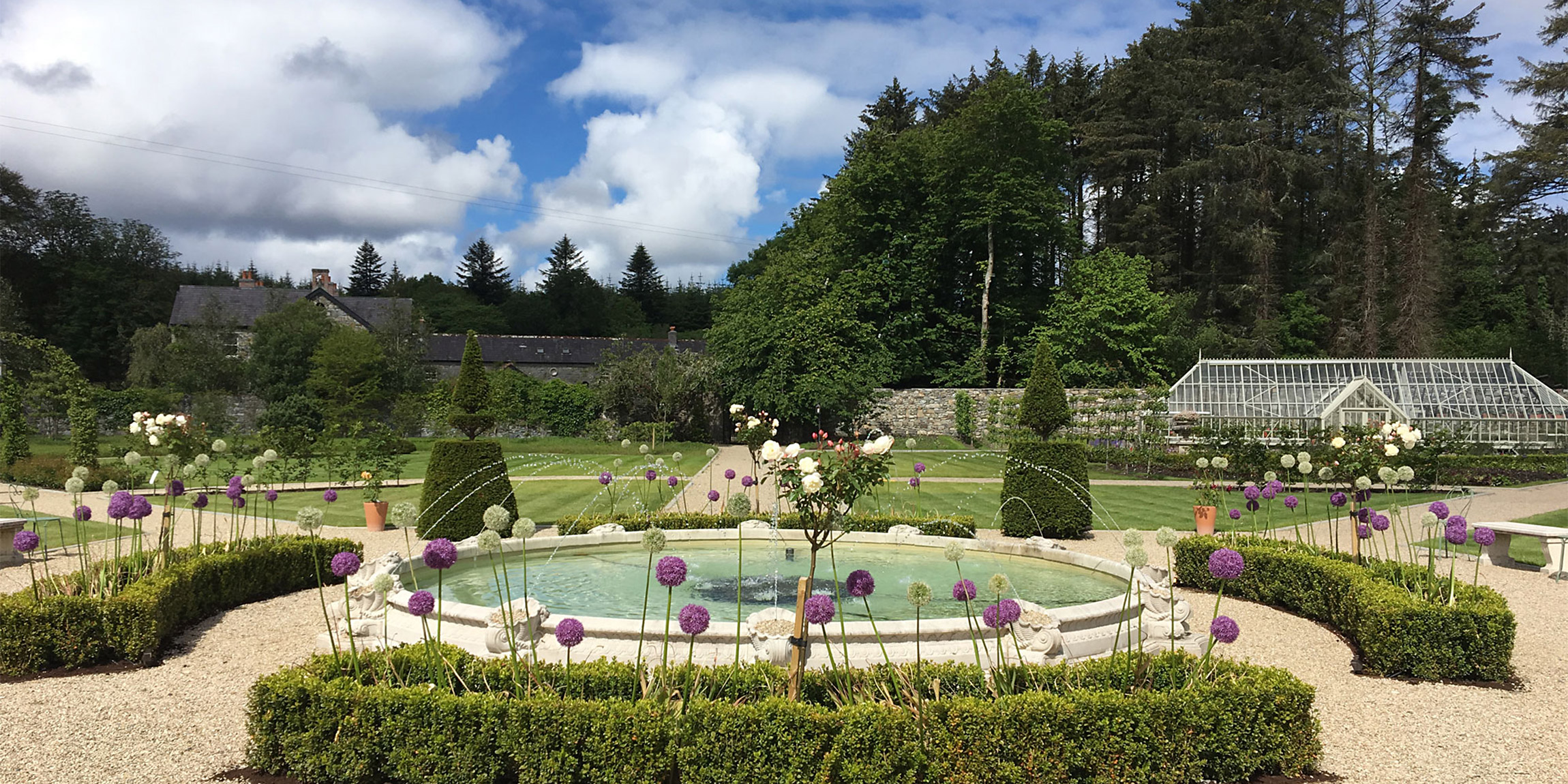
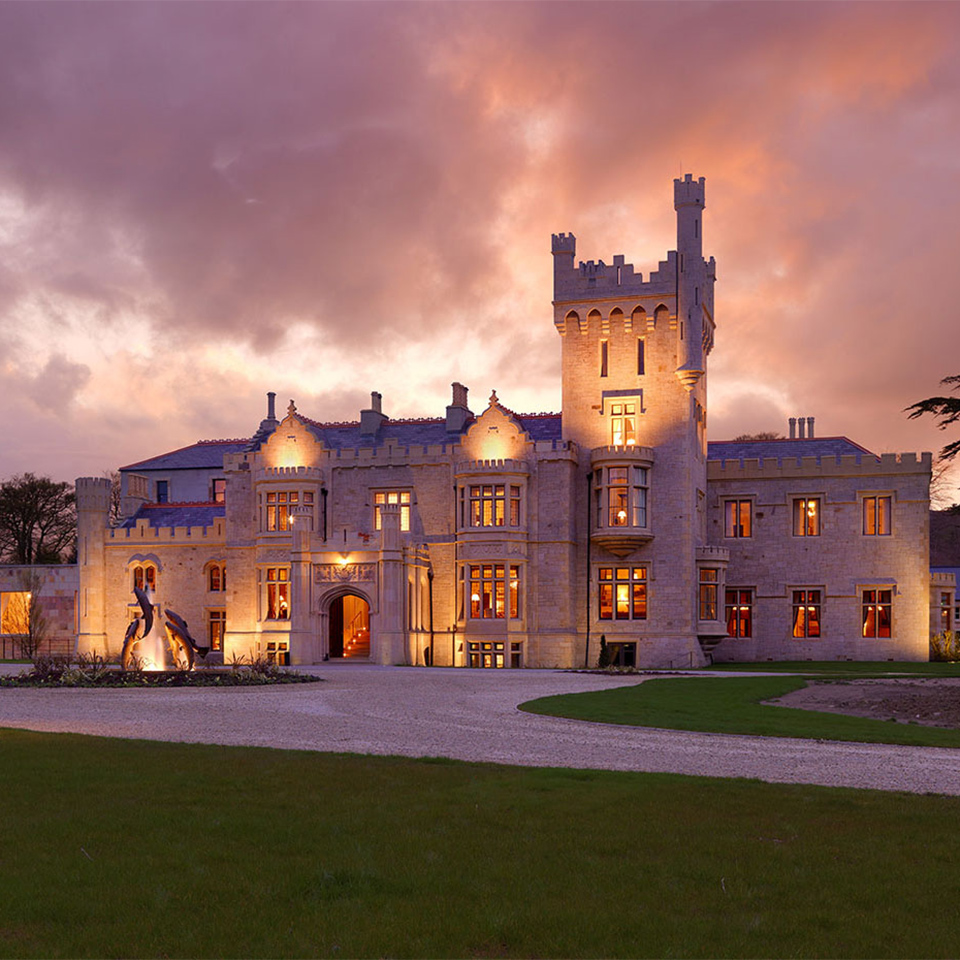
Winter offers things peak season can't: quiet landscapes, fireside dining, spa time, dramatic coastal walks, seasonal menus and the luxury of slowing down. A coastal hotel can sell wild seas and restorative breaks. A country house can sell fires, food and walking. A city hotel can pair a room with Christmas shopping, theatre and concerts.
Don't apologise for the weather. Stormy seas, frosty gardens and roaring fires are your best imagery, and a short film of a walk, then a fire, dinner, a spa treatment and a comfortable bed will do more than a photo captioned "15% Off". Show the indoor experience, so guests know what happens if it rains.
3. Add value before you discount
Dinner, breakfast, spa access, a treatment credit, late checkout, an upgrade or a welcome drink can make a stay feel more generous while protecting your rate. Packages also make your price harder to compare with an OTA room-only rate.
4. Build offers around specific audiences
One winter package won't suit everyone. Think in terms of specific motivations: a two-night couples' escape, a Sunday sleepover with dinner, a midweek spa break, a food-led stay or a remote-working retreat. Your data will show which of these past winter guests already respond to.
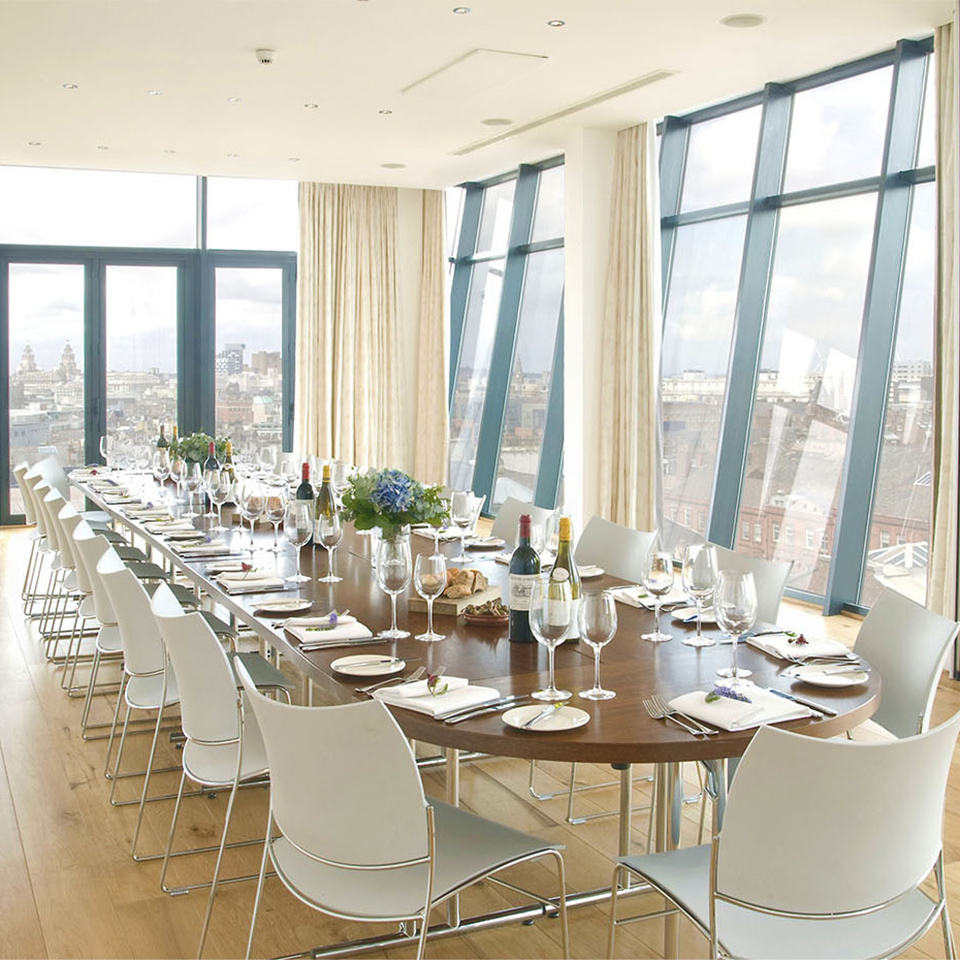
Treat midweek as its own campaign. Retired and semi-retired travellers, couples without school-age children, remote workers and wellness seekers can travel on quieter days, and there may be corporate, small-meeting and local business opportunities too. Lead with what midweek offers: greater flexibility, added value and exclusive experiences.
5. Make food, spa and events the hook
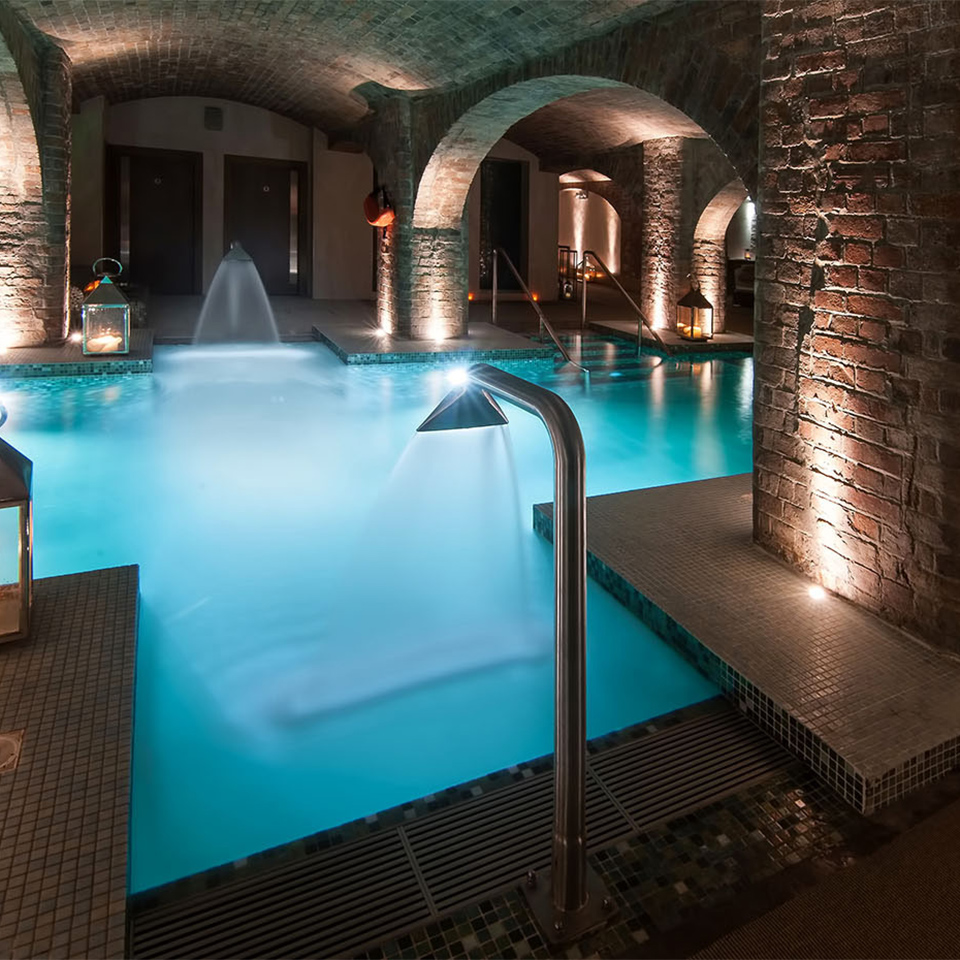
Your best reason to book may not be the bedroom. A destination restaurant, spa, afternoon tea or seasonal menu can drive the stay, and it raises spend per guest beyond room revenue. Work across departments to build a wellness escape or an overnight dining package rather than marketing each separately.
Events help too, whether yours (wine dinners, wellness weekends, live music) or the destination's (concerts, festivals, fixtures, Christmas markets). Publish event content early and link it naturally to your accommodation.
6. Build a winter landing page that works for search
Don't leave your winter proposition scattered across separate offer pages. Create one optimised Winter Breaks page covering rooms and packages, dining, spa, activities, attractions, events, imagery and FAQs. Answer the questions guests actually ask: What is there to do in bad weather? Is the spa open? Which restaurants and attractions are open? Are there good winter walks?
Start early rather than waiting to chase January searches. Target terms such as winter hotel breaks, spa breaks, romantic getaways, midweek breaks and hotels with indoor pools, but write useful content rather than stuffing keywords. Clearly describing your location, facilities and seasonal experiences also gives AI search platforms what they need to surface your hotel.
7. Point paid media at the dates that need it
Paid media lets you react as forward occupancy changes. Rather than running one campaign all winter, shift budget and targeting to the dates with the greatest need. Google Search and Hotel Ads capture existing intent, Performance Max and Meta build wider demand, and retargeting brings back visitors who looked and left. Work closely with revenue management, and if a period no longer needs support, move the budget.
8. Put your guest database to work
Past guests already know your hotel. Segment your CRM rather than sending every campaign to everyone: spa guests get a wellness break, couples get a romantic escape, previous Sunday-night guests get a Sunday package and past festive guests get an early invitation back. Use when they stayed, what they booked and where they live.
For short-lead offers, concentrate on guests within realistic driving distance. The pitch becomes a night or two away, not a major holiday. The more relevant the message, the less you need to discount.
9. Give guests a reason to stay longer
Longer stays fill more nights without acquiring another customer. Two- and three-night packages, an extra-night incentive or experiences that need more time can all help. Watch profitability rather than automatically discounting the extra night. Often the best incentive is showing there's enough to do.
10. Make booking effortless
Demand only matters if it converts. Test the whole journey on mobile. Can guests find the winter offer easily? Does the landing page link straight to the right rate? Are inclusions and availability clear in the booking engine? Cut every unnecessary step between inspiration and booking.
Winter occupancy takes more than a winter offer
The strongest strategies begin by identifying exactly where your gaps are, then use the right mix of product, pricing, content, CRM, SEO/GEO and paid media to fill them. Above all, give guests a compelling answer to one question: why should I stay here this winter?
Answer that well, and make the experience easy to find and book, and winter becomes a season to build demand rather than discount.
Need support with your winter digital strategy? At Aró Digital Strategy, we help independent hotels connect their website, booking engine and digital marketing to commercial goals, from SEO and GEO to paid media, content and direct-booking strategy. Talk to the Aró team about your winter plan.