
5 Proven Strategies to Maximise Hotel Occupancy in Autumn & Winter
Five Strategies to Maximise Hotel Occupancy Throughout Autumn and Winter

How can hotels protect occupancy and direct revenue as autumn turns to winter?
As the busy summer period comes to an end, the challenge for independent hotels shifts. Demand becomes less predictable, booking windows can shorten and competition for the same guest intensifies.
The answer isn't necessarily deeper discounting.
Hotels that maintain occupancy while protecting rate through the shoulder and winter seasons tend to have something else in common: a strong direct booking strategy that keeps them visible, gives guests compelling reasons to stay and makes effective use of the data they already own.
Here are five areas worth focusing on now.
1. Stay Visible – and Give Guests a Reason to Remember You
When there is less natural demand in the market, brand visibility becomes even more important.
Your brand is much more than your logo, photography or website design. It's the complete impression a potential guest forms of your hotel – from the first search result or social post they see to the experience they have on your website and, ultimately, at the property.
Consistency matters. Your website, social channels, paid campaigns, photography and messaging should all communicate a clear sense of why someone should choose your hotel over the alternatives.
For independent hotels in particular, distinctive brand positioning can be one of the greatest advantages over larger, more standardised competitors.
Autumn action: Review your website homepage, social profiles and key landing pages. Is what makes your hotel different immediately clear – and does your content give someone a compelling reason to visit outside peak summer?
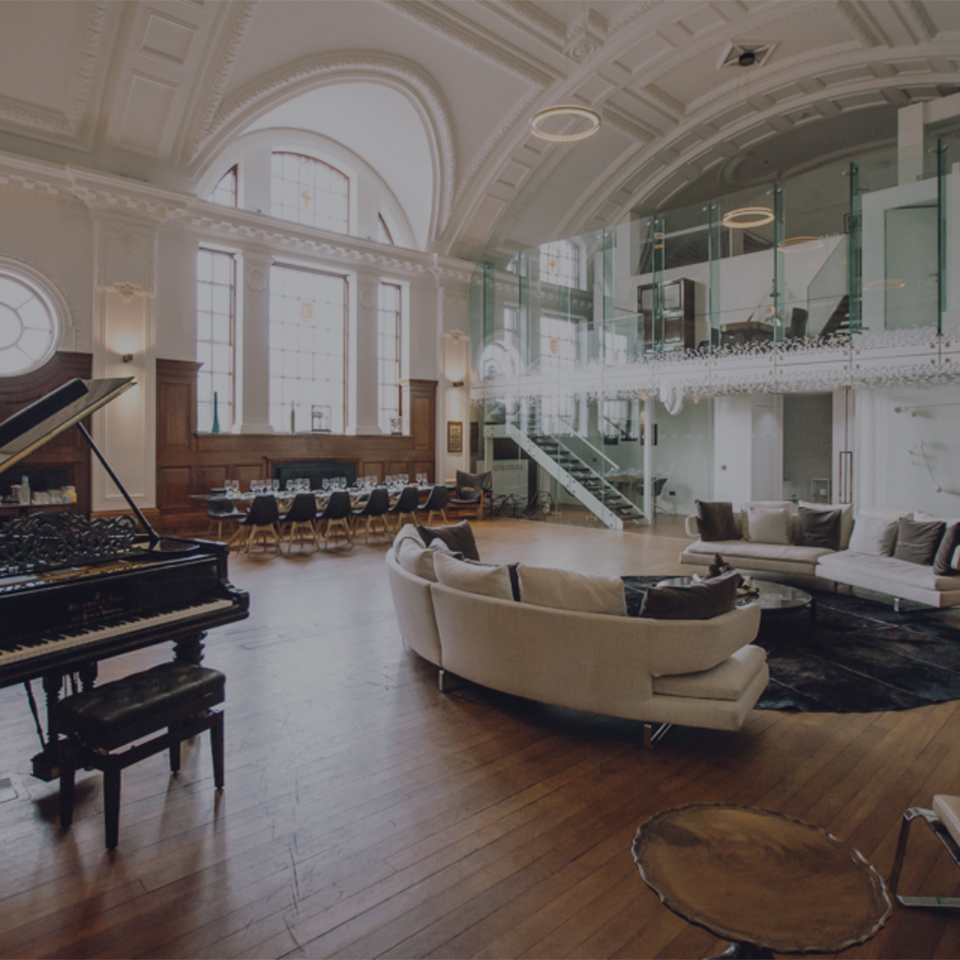
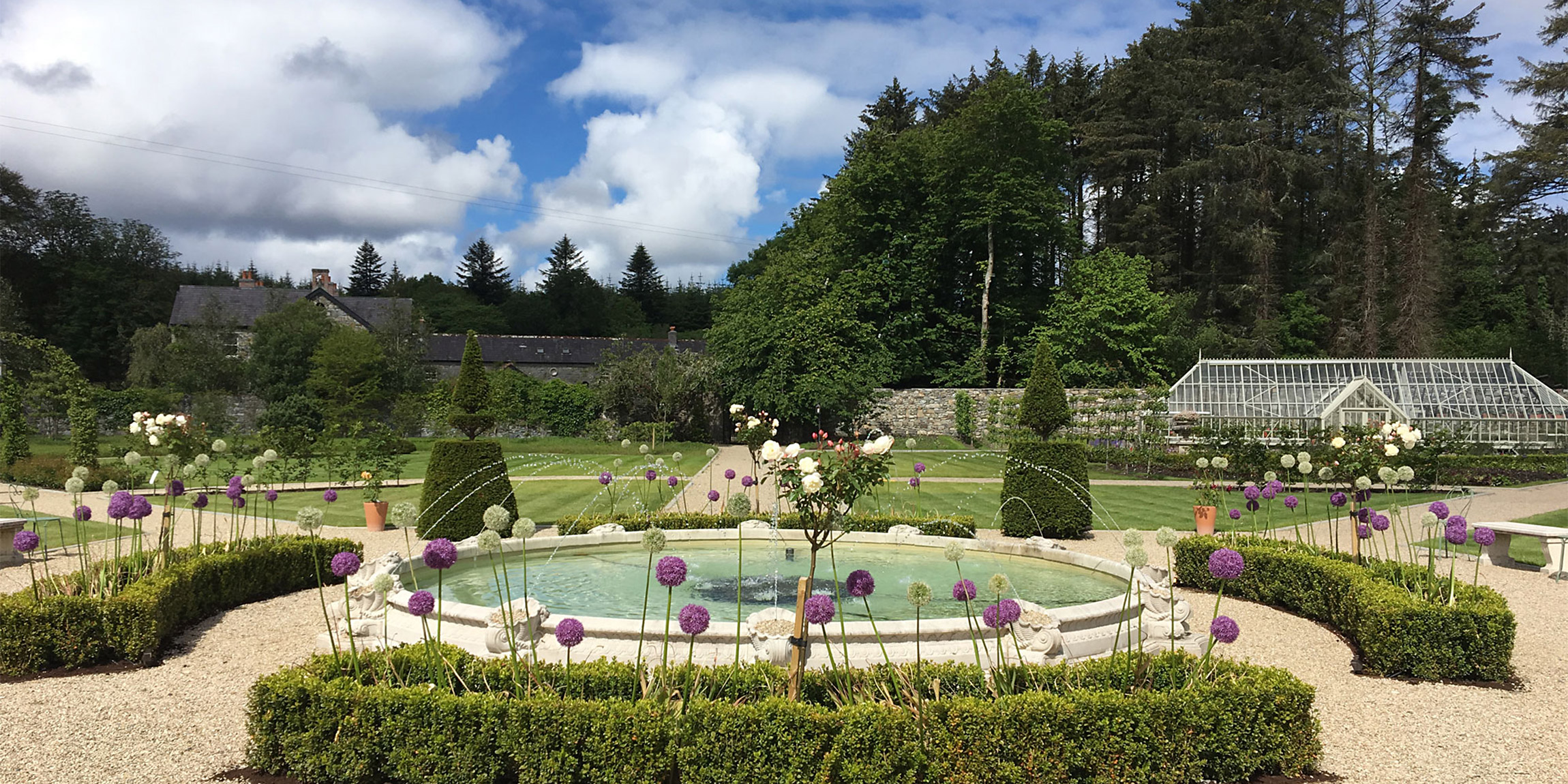
Your website design should communicate why guests choose you!
2. Be Present Wherever Guests Are Searching
The hotel discovery journey is changing.
Traditional Google search remains hugely important, but guests are increasingly discovering and comparing destinations and hotels across multiple platforms – including social media and AI-powered search experiences.
At the same time, OTAs continue to compete aggressively for high-intent hotel searches, including searches for individual hotel brand names.
A strong autumn and winter acquisition strategy should therefore consider the whole search landscape: organic SEO, brand PPC, Google Hotel Ads, metasearch and increasingly AI search visibility.
Hotels should also be creating detailed, useful and well-structured website content around their rooms, dining, spa, experiences, location and seasonal offers. This helps traditional search engines understand your property while also giving AI platforms clearer information to draw upon when travellers ask questions and seek recommendations.
The objective is simple: when a potential guest is looking for a stay you can deliver, your hotel should be easy to discover – and the direct route should be easy to choose.
Autumn action: Search for your own hotel across Google and AI platforms. Look at the journey from discovery through to your website and booking engine. Where are you visible, where are OTAs appearing, and where are the gaps?
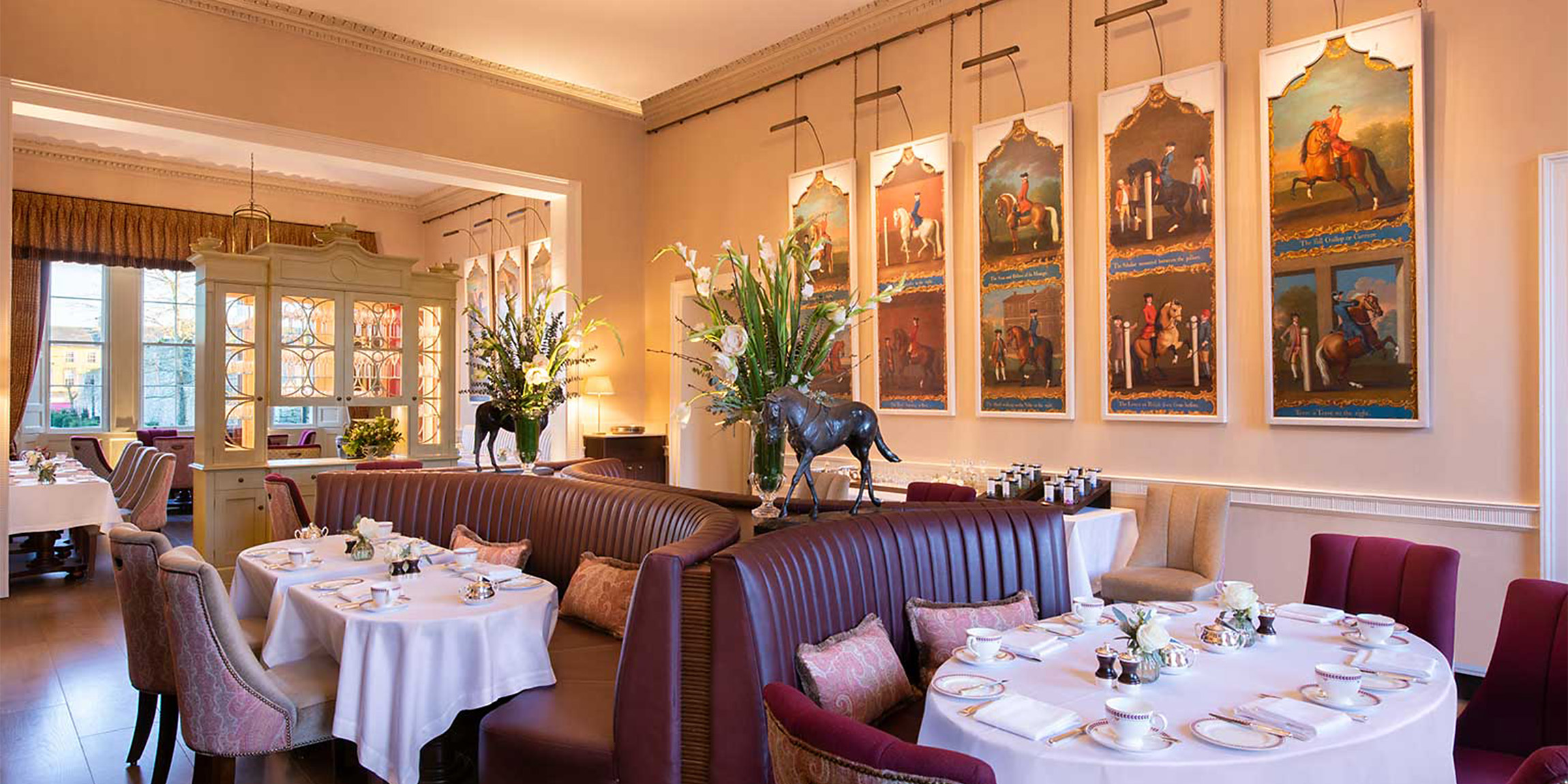
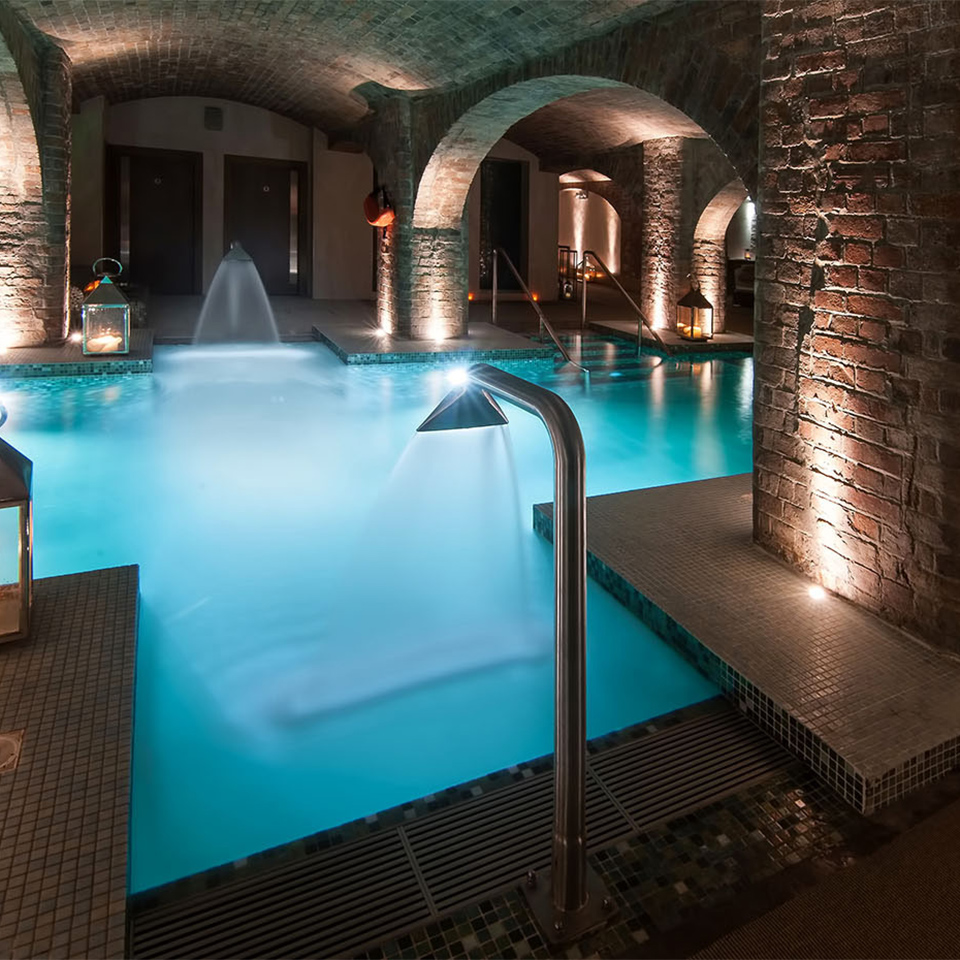
A strong strategy considers organic SEO, brand PPC, and Google Hotel Ads!
3. Sell the Experience, Not Just the Room
A quieter season needs a reason to travel.
Rather than relying immediately on room-rate discounts, consider what makes your destination particularly appealing during autumn and winter.
Seasonal dining, spa experiences, walking, golf, fireside weekends, local food, Christmas shopping, cultural experiences and short restorative breaks can all transform a room night into something far more compelling.
Create a small number of strong, experience-led packages rather than an extensive collection of similar offers. Each should have a dedicated, optimised landing page with inspiring imagery, clear inclusions, strong reasons to book and a direct route into your booking engine.
Think beyond the offer itself too. One strong seasonal package can become the basis for paid advertising, organic social content, email campaigns, PR and remarketing.
Autumn action: Ask one simple question: Why should someone travel to us in November? If your website doesn't provide a persuasive answer, that's where to start.
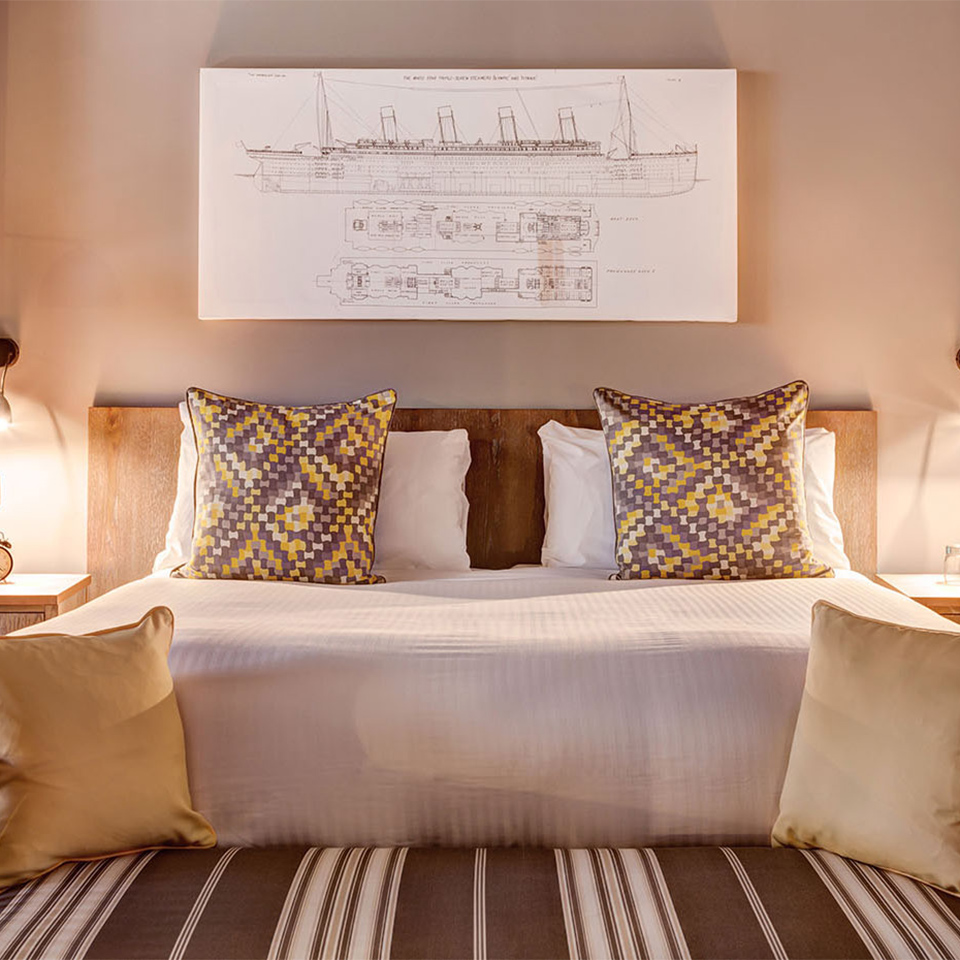
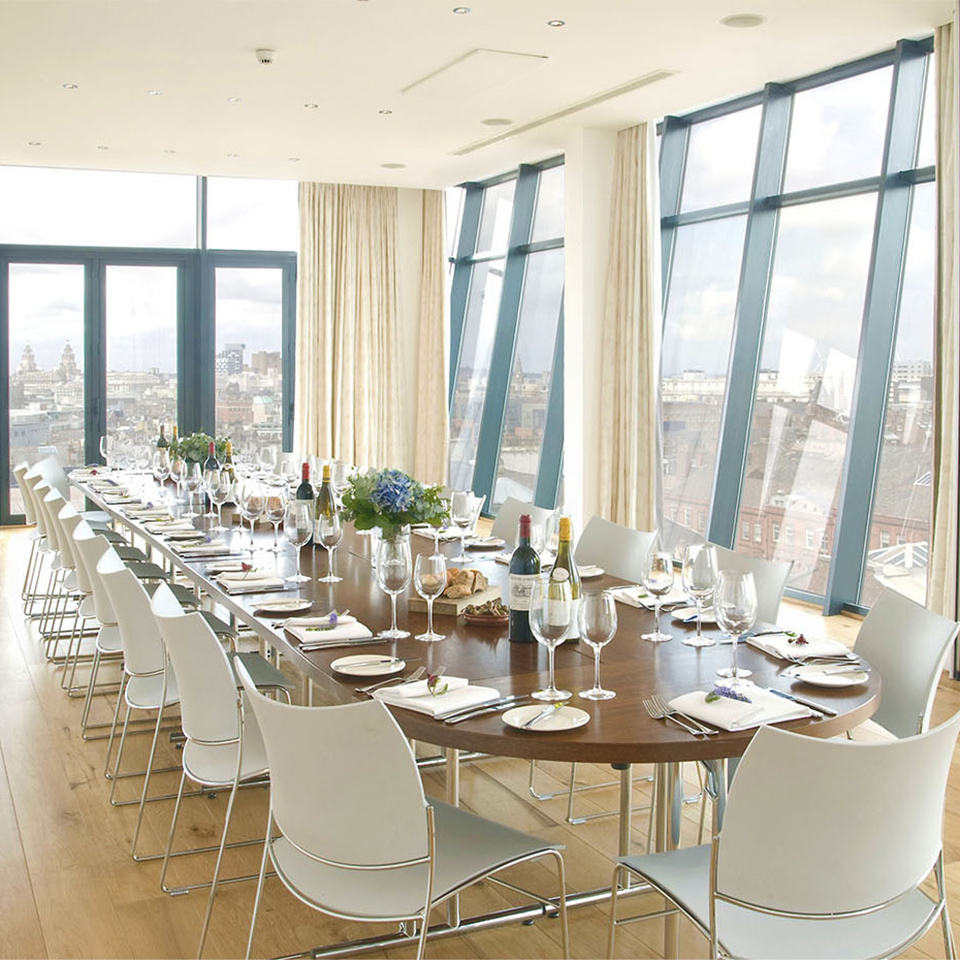
Create experience-led packages with optimised landing pages!
4. Turn Your Guest Database into Demand
One of the most valuable audiences available to a hotel is also one of the most frequently underused: the guests who already know you.
Your first-party guest data can help generate demand without continually paying to acquire a completely new audience.
But effective hotel email marketing goes far beyond sending the same seasonal ezine to an entire database.
Connected PMS and CRM data allows hotels to segment audiences according to previous behaviour and interests. Previous autumn guests, spa visitors, couples, families, high-value guests, frequent bookers and guests who haven't returned for several years shouldn't necessarily receive the same message.
The more relevant the communication, the stronger the opportunity to generate another direct booking.
Your OTA guests also matter. With the right post-stay strategy and permissions in place, today's OTA guest has the potential to become tomorrow's direct guest.
As digital advertising becomes more privacy-conscious, the value of a well-managed first-party database will only continue to grow.
Autumn action: Instead of asking "What should our next ezine say?", ask "Which guests are most likely to stay with us this autumn – and what would persuade them to return?"
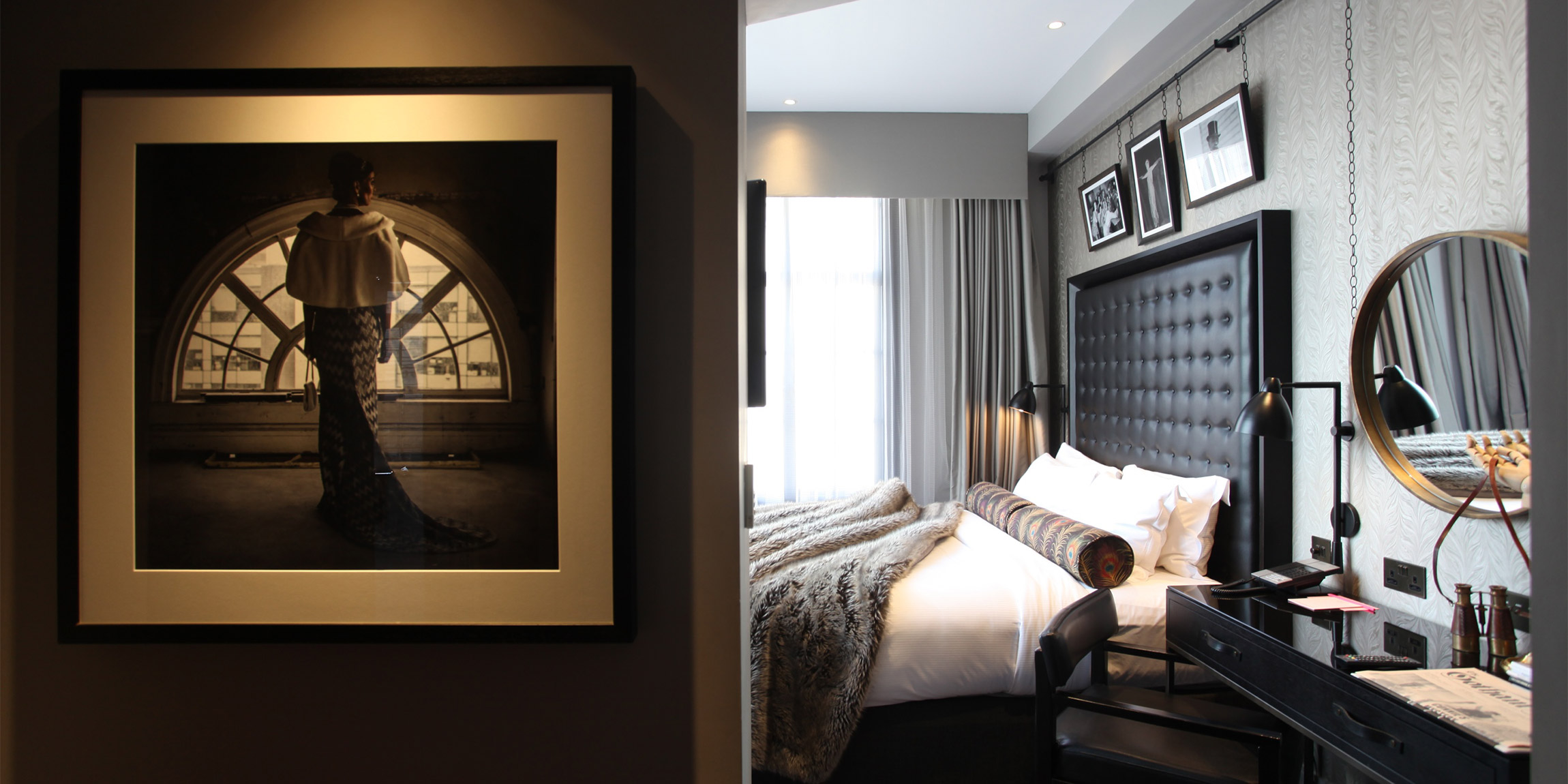
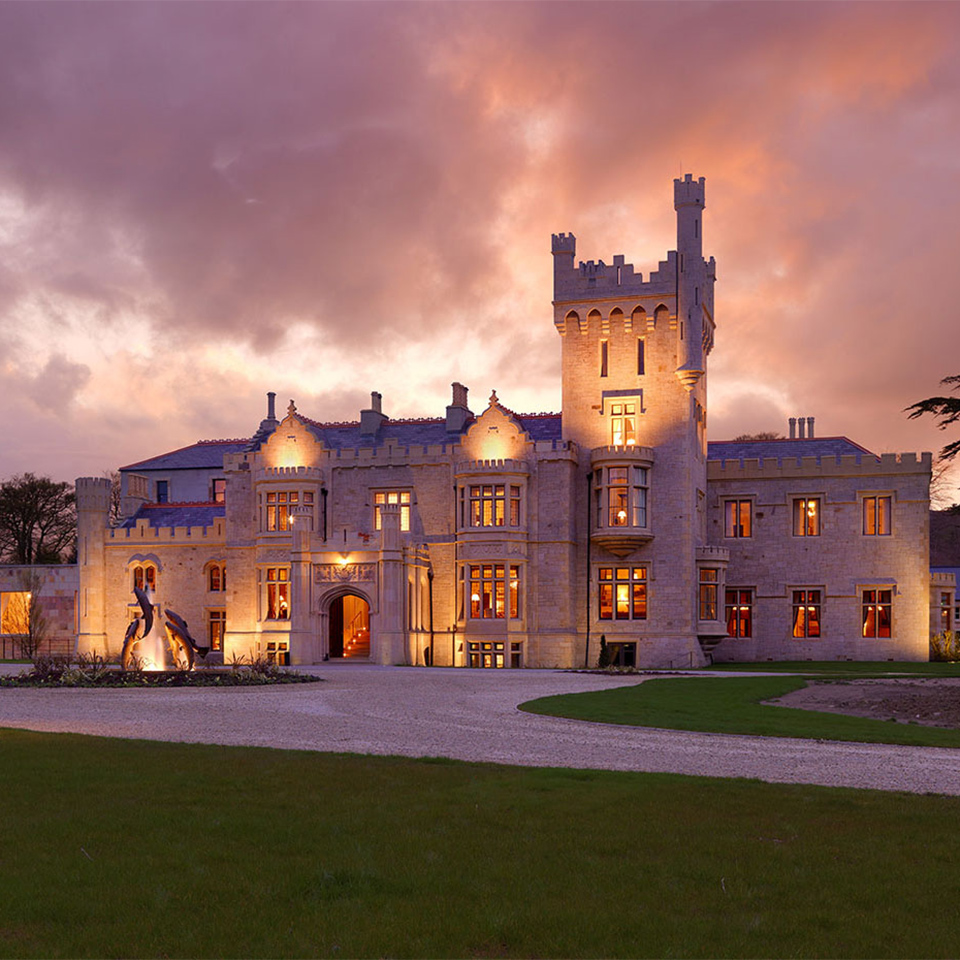
Effective hotel email marketing goes far beyond sending the same seasonal ezine!
5. Turn Direct Bookers into Repeat Direct Bookers
Winning a direct booking is valuable. Winning the next booking directly is even more valuable.
Retention should therefore sit alongside acquisition as a core part of your digital strategy.
OTAs understand this extremely well. Their loyalty programmes are designed to encourage travellers to return to their platforms again and again. Independent hotels need to build that same sense of relationship with their own guests.
That doesn't necessarily mean creating a complicated points programme.
Direct-booking benefits, personalised communications, returning-guest recognition and simple loyalty functionality integrated with your booking engine can all encourage guests to maintain a direct relationship with your hotel.
And the commercial benefit compounds over time. A returning direct guest doesn't simply represent another booking; they can represent a lower cost of acquisition, greater lifetime value and valuable word-of-mouth advocacy.
Autumn action: Look at what happens after a guest checks out. Are you actively giving your best guests a reason – and an easy route – to book directly with you again?
Loyalty functionality integrated with your booking engine!
Don't Wait for Occupancy to Soften
Halloween, October mid-term, Black Friday, winter breaks, Christmas gifting and the festive season all create opportunities to stimulate demand over the coming months.
But the strongest results rarely come from switching on a campaign when occupancy has already fallen.
They come from building visibility and demand in advance – strengthening your brand, being present throughout the discovery journey, giving guests compelling reasons to travel, making better use of first-party data and nurturing the guests you've already worked hard to acquire.
Most importantly, these shouldn't operate as five separate activities. Website, booking engine, digital marketing, CRM and revenue strategy work harder when they're connected.
At Aró Digital Strategy, our Partner Program brings these elements together, combining hotel website technology, booking engine expertise, digital marketing and ongoing strategy to help independent hotels grow direct revenue and reduce their reliance on third-party channels.
Our Partner Program brings these elements together!
Want to strengthen your direct booking strategy for autumn and winter?
Speak with the Aró team to explore where the biggest opportunities lie for your hotel.