
How to Build the Ideal Hotel Website Homepage for 2027
What Should a Hotel Website Homepage Look Like in 2027?

Even a cursory scan of hotel website homepages reveals that they tend to follow a familiar formula: spectacular hero image, welcome message, booking widget, accommodation, dining, spa, weddings and a collection of special offers.
Here at Aró Digital Strategy, we think that formula needs a makeover for 2027.
The best hotel homepage should still inspire, but its primary job is increasingly to help visitors to understand intent and get them to the right content, and the right booking opportunity, as quickly as possible.
1. The Hero Area Needs to Work Harder
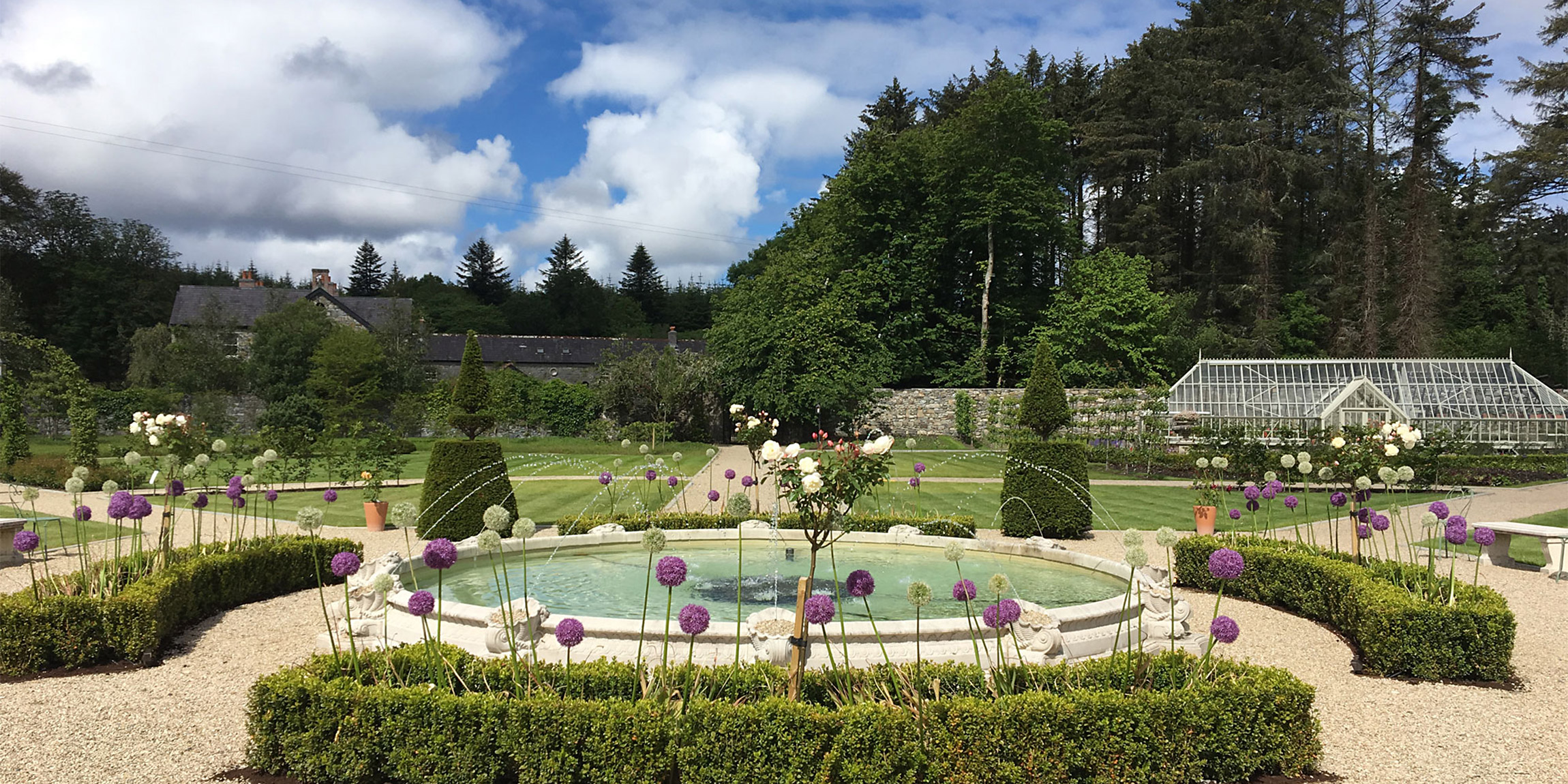
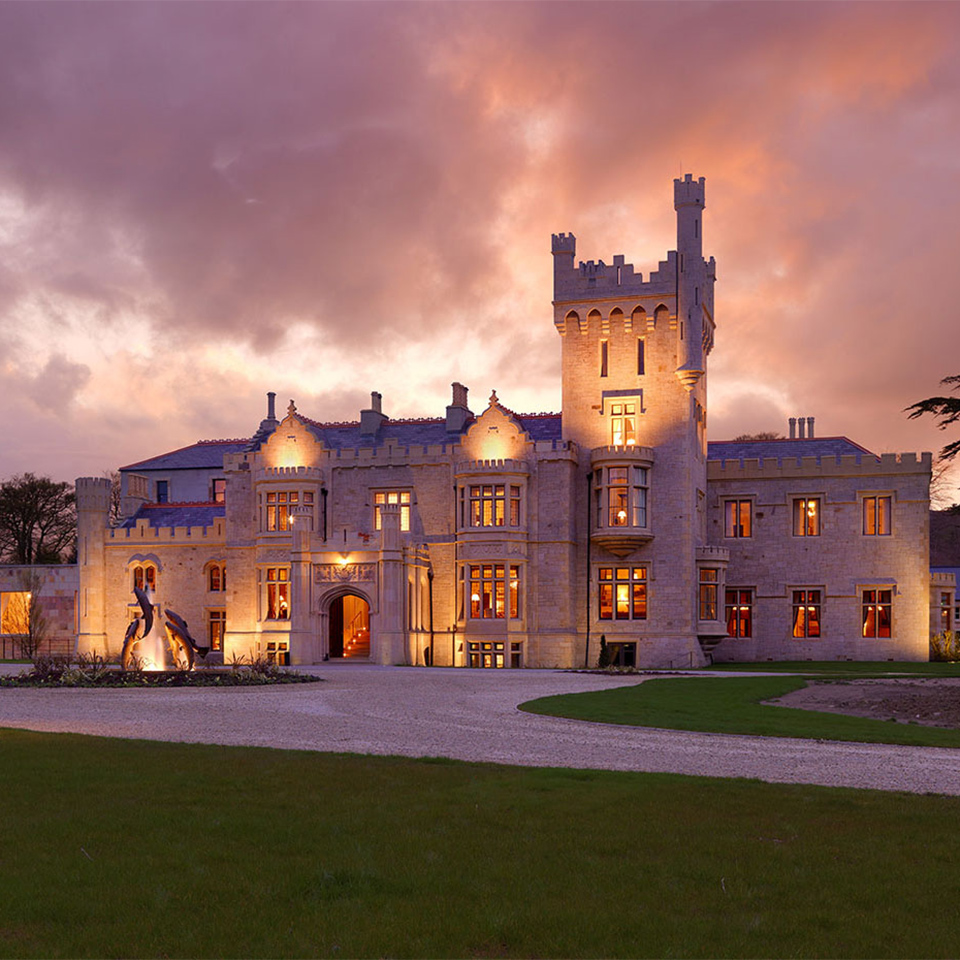
Beautiful photography remains essential for luxury hotels, but a full-screen image with a vague message such as “Escape to Somewhere Special” isn't enough.
Within the first screen, and within a couple of seconds, a visitor should understand:
- Where are you?
- What kind of hotel are you?
- Why should I stay here?
- And how do I check availability?
For example:
Luxury 5-Star Coastal Hotel & Spa in Waterford
is considerably more useful to guests, search engines and AI systems than:
Discover Your Perfect Escape.
Emotion still matters. But clarity matters too.
2. Make Sure Your Booking Engine Is Always Available
Your booking engine should never feel like another website.
Dates, guests and availability should be accessible immediately, particularly on mobile. A 'Book Now' option should follow the visitor naturally without overwhelming the experience.
Importantly, communicate the reason to book direct beside the booking opportunity: exclusive rates, flexible cancellation, complimentary upgrades or other genuine direct-booking benefits.
3. Replace Navigation with Intent
Traditional navigation isn't disappearing, but the homepage can become smarter. Instead of expecting every visitor to explore Rooms, Dining, Spa and Offers, help them identify what they actually want:
Romantic Break | Spa Escape | Family Stay | Golf Trip | Food & Wine | Explore Galway
Each becomes a clear pathway to highly relevant content and offers. This also ties in to you understanding your guest personas - you don't want every browser to book, you want to capture the right ones.
This is good UX, but it also creates clear signals about the types of stays and experiences for which the hotel is relevant.
4. Think in Answers, Not Marketing Copy
AI search makes specific information increasingly valuable.
Your homepage doesn't need 1,500 words of SEO copy. It needs concise, structured information answering important questions.
- Where is the hotel?
- What makes it different?
- What facilities are available?
- Who is it ideal for? (guest personas again)
- What's nearby?
Then link visitors into deeper pages containing genuinely useful information.
5. Make Location a Selling Tool
One homepage element we expect to become increasingly important is location context.
Don't simply say "Ideally Located". Prove it.
10 minutes from Galway city centre. 40 minutes from Connemara. 60 minutes from Shannon Airport. Walking distance to the beach.
Specific information helps travellers make decisions and gives AI systems useful context when responding to detailed travel queries.
6. Put Proof Close to the Decision
Awards, recognised publications, guest reviews and ratings shouldn't be hidden in the footer.
Used carefully, they provide reassurance at exactly the point where someone is deciding whether to investigate further or book.
The same applies to value reassurance. If you genuinely offer your best value direct, communicate that clearly.
Less Homepage. More Gateway.
The hotel homepage of 2027 doesn't have to tell the hotel's entire story. It should establish the property, communicate its strongest reasons to stay, understand what the visitor wants and provide the shortest possible route towards achieving their goal and towards booking.
For luxury independent hotels, that means combining strong imagery, clear positioning, intelligent navigation, structured information, personalisation and frictionless booking technology.
The homepage is no longer simply the front door to your website. It is the concierge standing at that door, asking one important question: what kind of stay are you looking for?
For independent hotels, the opportunity is significant.
Create a fast, authoritative, structured and conversion-focused website, connect it seamlessly with your booking engine and maintain accurate first-party information.
If you would like to understand more about how your independent hotel website homepage should look in 2027, please contact us here.