
Winter Hotel Offers: Why Now Is the Time to Start Planning
Winter Hotel Offers: Why Now Is the Time to Start Planning

For many hotels, autumn campaigns are already live and attention is beginning to turn to winter. While booking behaviour continues to shift towards shorter lead times in some segments, there is still good reason to start building winter demand well in advance.
The opportunity is not necessarily to secure every winter booking now. Rather, an earlier start gives hotels more time to reach guests at different stages of the booking journey, build awareness around seasonal experiences and generate a base of advance business before more tactical activity is required.
Booking patterns in 2026 point to a more varied picture. Last-minute searches remain important, but there is also evidence of guests researching and booking certain trips considerably further ahead. Premium stays, wellness breaks, celebrations and experience-led trips in particular can involve longer consideration periods.
For hotels, this suggests a winter strategy that accommodates both behaviours: inspiration-led activity for guests planning ahead, supported by shorter-lead campaigns as individual dates and need periods come into focus.
Creating a Strong Winter Proposition
1. Look Beyond the Room Rate
Winter can lend itself particularly well to experience-led packages.
Seasonal dining, spa and wellness, fireside drinks, afternoon tea, local events and outdoor experiences can all add context to a winter stay and give guests a clearer reason to travel during the quieter months.
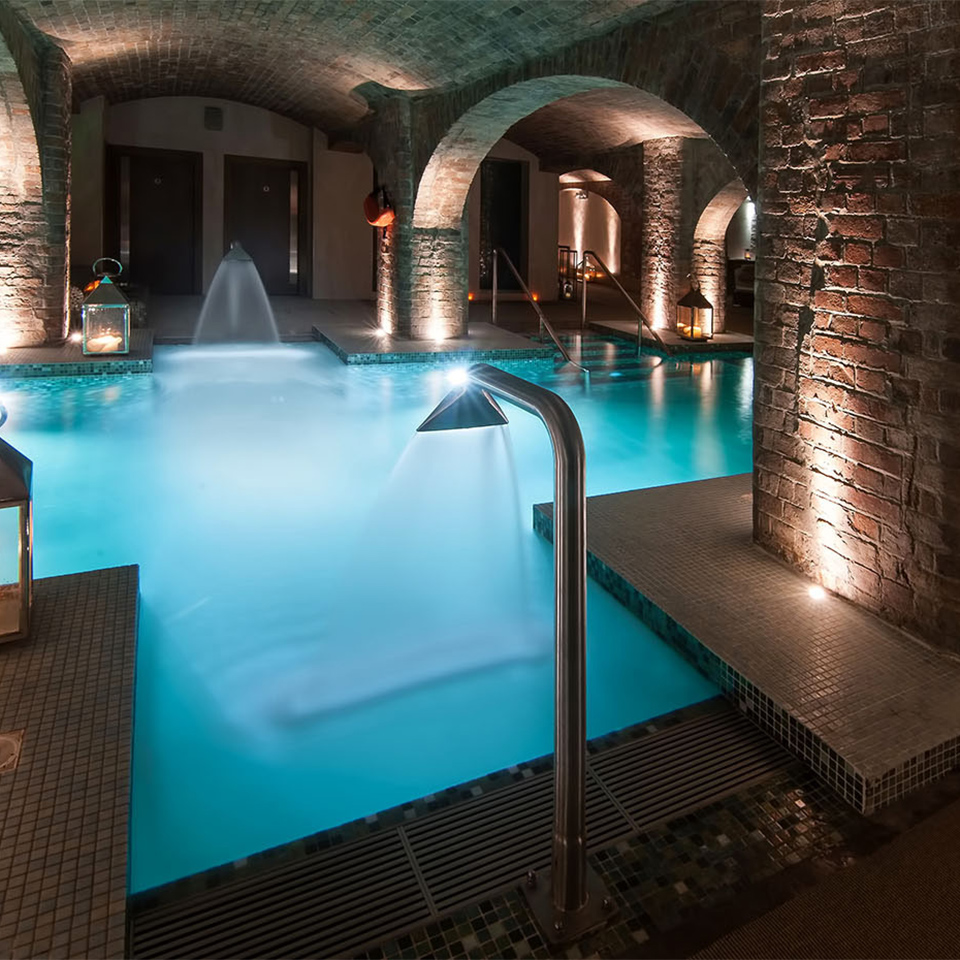
A winter package might combine an overnight stay with dinner and late checkout, while a wellness-focused offer could include a treatment or thermal experience. For destination hotels, local events, winter walks or seasonal attractions can also form part of the proposition.
The aim isn't to add extras simply for the sake of creating a package. The most effective offers tend to bring together elements that complement the hotel's positioning while providing something genuinely appealing to the guest.
Read more about creating themed special offers for independent hotels.
2. Start With the Dates That Matter
Winter offers are more useful when they reflect the hotel's actual trading patterns.
Looking at historic occupancy, current pace and known need periods can help determine where additional demand is likely to be required.
A hotel may have relatively strong Saturday demand, for example, but need to build Sunday or midweek stays. January may require a different approach from December, while Valentine's weekend can behave very differently from the surrounding February dates.
Rather than applying one winter offer across the entire season, there may be greater value in developing propositions around particular periods and adjusting activity as booking patterns develop.
3. Strengthen the Direct Booking Proposition
Seasonal packages can also provide an opportunity to reinforce the hotel's direct booking strategy.
That doesn't necessarily mean offering the lowest price.
Added-value benefits such as dining credit, welcome drinks, spa access, complimentary parking, late checkout or more flexible booking conditions can help distinguish the direct offer while protecting the underlying room rate.
For independent hotels in particular, the direct channel also provides greater scope to communicate the full experience around the stay rather than competing primarily on room and price.
4. Give Early Bookers a Reason to Commit
An early-booking incentive can be useful, but discounting isn't the only option.
Additional value, preferential access to dining or spa reservations, flexible cancellation or an enhanced package can provide an incentive to book earlier without reducing the room rate.
Flexibility is worth considering too. With booking windows varying considerably, some guests may be willing to make plans early but remain reluctant to commit to restrictive terms several months ahead.
The balance will differ by property, but removing unnecessary barriers at this stage can make an early winter proposition more attractive.
5. Build a Campaign Around the Offer
Once the proposition is established, the next consideration is how guests will discover it.
A dedicated winter landing page can provide a useful destination for paid campaigns, CRM activity, organic social content and seasonal search traffic. It also allows the hotel to communicate the wider experience in considerably more detail than is possible within a booking engine rate description.
Meta can be particularly effective for the inspiration stage, where strong seasonal photography and video can convey what a winter stay actually feels like.
Search and Performance Max can then help capture guests demonstrating greater intent, while CRM provides an opportunity to reconnect with previous guests who already know the property.
The important point is that these channels work together rather than treating the winter offer as a standalone promotion.
6. Test Different Reasons to Stay
Not every guest will respond to the same aspect of a winter break.
For some, the appeal may be food. For others, it could be wellness, a quiet weekend away, time outdoors or simply an opportunity to spend time together.
Testing these different themes can provide useful insight into what is generating interest and, more importantly, what is translating into booking-engine activity and revenue.
This can then inform both creative and media spend as the campaign develops.
Allow the Strategy to Develop With Demand
Starting winter activity early doesn't mean committing the full campaign or budget months in advance.
An initial campaign can establish the seasonal proposition and reach guests who are already considering winter travel. As the season gets closer, occupancy and booking pace can then inform where additional activity is needed.
That might mean increasing spend behind particular dates, introducing a new package for a softer period, changing the emphasis of the creative or targeting shorter-lead audiences.
This combination of advance demand generation and responsive tactical activity is likely to be increasingly important as booking windows become less uniform.
Starting the Winter Conversation
There is no single ideal booking window for winter travel, particularly as guest behaviour continues to evolve.
But waiting until a need period is already approaching leaves considerably less room to influence demand.
Launching winter activity earlier gives hotels the opportunity to introduce the experience, reach guests who are planning ahead and gather useful campaign and booking data before the season begins. Shorter-lead activity can then complement that work rather than having to carry the entire winter campaign.
For independent hotels, the focus should ultimately be on creating a winter proposition that reflects the property, supports the dates where demand is needed and gives guests a compelling reason to book direct.
Planning Your Winter Campaign?
Aró Digital Strategy works with independent hotels across website strategy, booking technology and digital marketing to support direct booking and revenue growth.
Talk to the Aró team about your winter strategy.