

Why Storytelling Beats Discounts in Hotel Marketing
Why Storytelling Beats Discounts in Hotel Marketing

How Hotels Can Build Demand Without Cutting Rate
When occupancy dips or a quieter season approaches, discounting can seem like the quickest solution. Reduce the rate. Launch an offer. Push it across your digital channels and hope it stimulates demand.
There is certainly a place for tactical pricing within a strong revenue strategy. But relying too heavily on discounts can create a longer-term problem: guests begin to associate your hotel with the deal rather than the experience, your positioning becomes increasingly price-led and you enter a competitive race that is difficult to win.
For independent and luxury hotels in particular, there is another way to create demand.
Give guests a compelling reason to choose you. And increasingly, that means telling a better story.
Travellers Are Looking for More Than a Room
The way people choose hotels continues to evolve.
Travellers move between OTAs, search engines, social media, hotel websites, reviews and, increasingly, AI-powered platforms before making a decision. The hotel that wins isn't necessarily the cheapest. It is often the one that gives the traveller the strongest reason to believe: this is the experience I want.
Research into 2026 travel behaviour reinforces this shift towards more individual and meaningful experiences. Hilton's 2026 Trends Report describes the rise of the "whycation", with travellers increasingly motivated by how they want a trip to make them feel – whether that is rested, reconnected or inspired. Booking.com's 2026 research similarly identifies a move towards highly individual travel experiences that reflect travellers' personalities and interests.
That presents a major opportunity for independent hotels.
You don't need to compete with a larger hotel group on scale. You need to communicate what makes your hotel worth choosing.
Why Competing on Value Is Stronger Than Competing on Price
Price matters. Expedia Group's latest Traveller Value Index found that 58% of consumers expected to become more price-conscious. But the same research found that 76% would pay more for a hotel with better customer reviews, demonstrating that travellers are prepared to pay for greater confidence in the quality of the experience.
That's an important distinction. Value isn't simply a lower room rate.
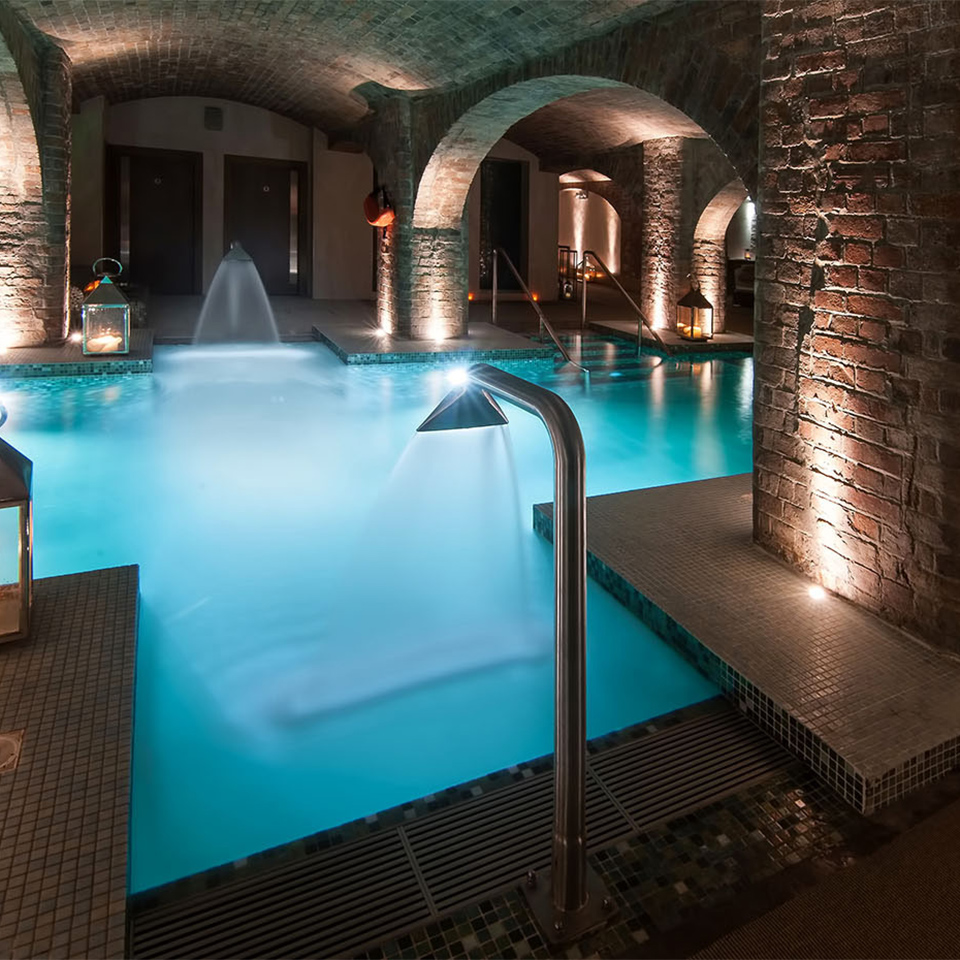
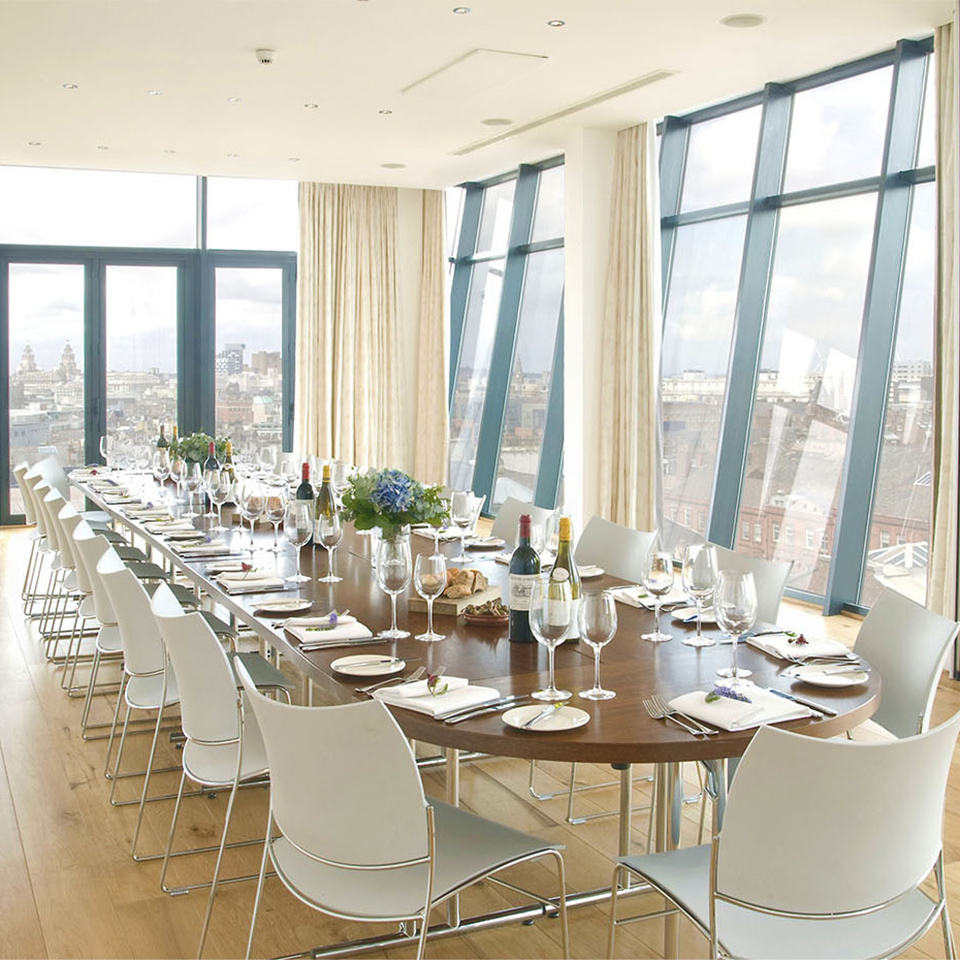
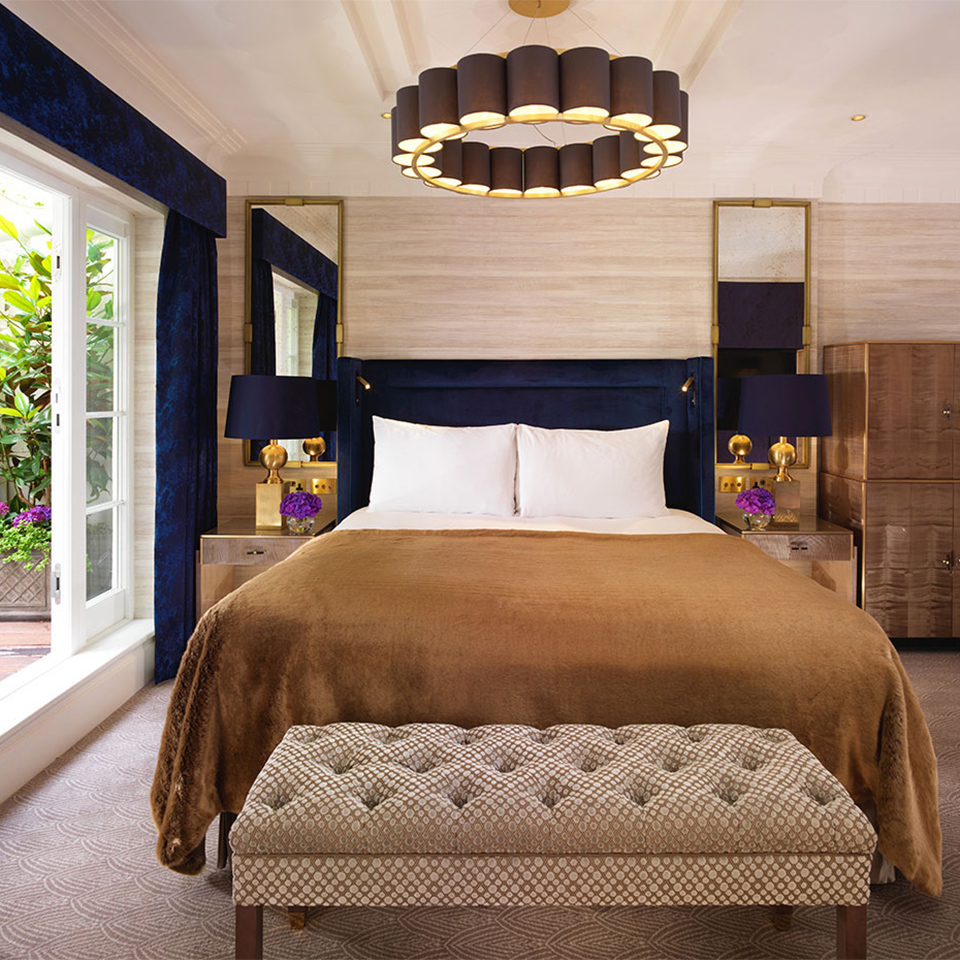
Value can be the view from the bedroom. The breakfast guests still talk about when they get home. The knowledge of your concierge. The provenance of the ingredients in your restaurant. The spa treatment rooted in your location. The welcome guests receive when they arrive.
These are difficult for a competitor to replicate – and impossible to communicate through a discount code alone.
Storytelling Turns Hotel Experiences Into Reasons to Book
Think about what guests remember from a great hotel stay. It's rarely that they saved €20 on the room.
They remember the warm welcome after a long journey. The member of staff who remembered their name. The spectacular breakfast overlooking the sea. The recommendation that led them to a beach they would never otherwise have discovered.
Your hotel's digital storytelling should bring those moments to life before the guest arrives.
Rather than simply telling potential guests that your hotel is luxurious, welcoming or authentic, show them what staying there actually feels like.
Bring Your People Into the Story
Your team is one of the most powerful ways to differentiate your hotel.
Introduce the chef developing a new seasonal menu. Follow the sommelier choosing wines. Ask your concierge for three places visitors shouldn't miss. Show the housekeeping team preparing a suite before arrival.
People create personality, and personality makes a hotel memorable.
Tell the Story of Your Destination
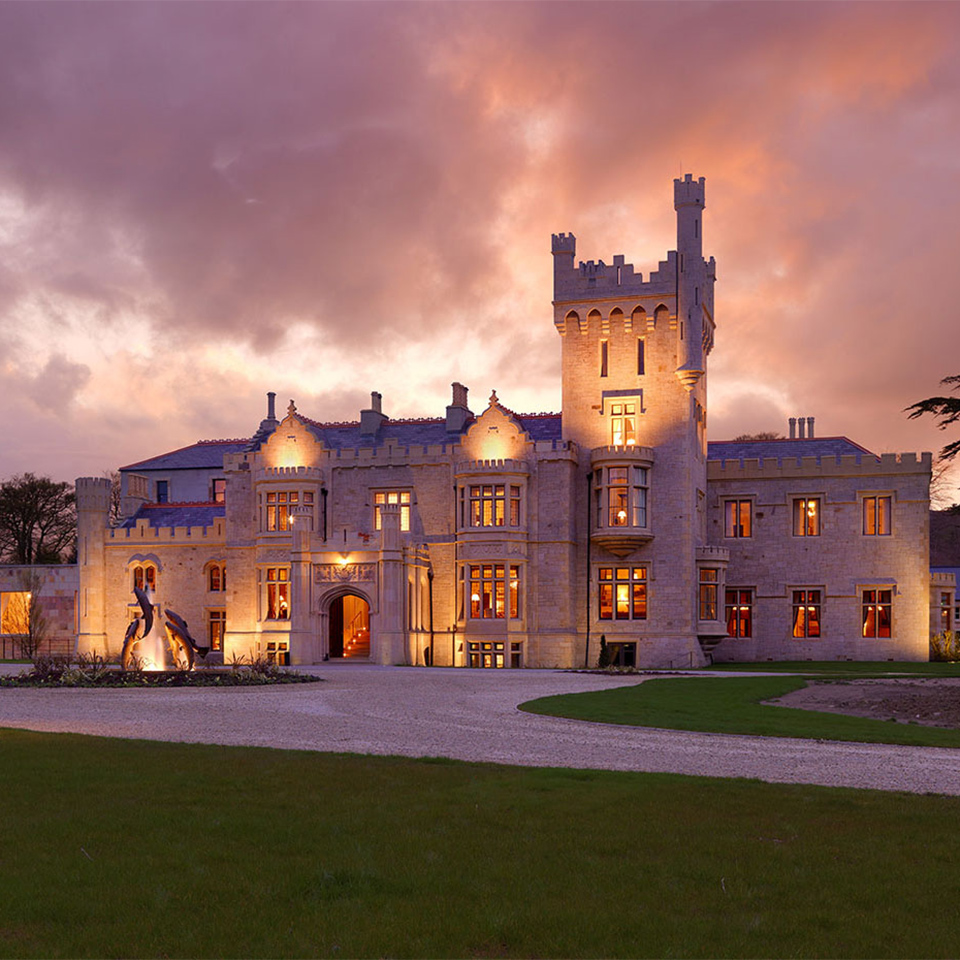
Independent hotels have an advantage that large, standardised brands can struggle to replicate: a genuine connection to place.
Tell the stories of the producers, craftspeople, landscapes, traditions and communities around you.
Don't simply publish "10 Things to Do Near Our Hotel". Create content that demonstrates why somebody should want to spend three days in your part of the world – and why your hotel is the ideal base from which to experience it.
Let Guests Tell Part of the Story
Reviews and guest experiences provide valuable social proof.
Expedia Group's research found that 85% of travellers are more likely to book accommodation that has demonstrated it consistently delivers great experiences.
Bring those experiences into your marketing. Anniversaries, return visits, family traditions and genuine guest recommendations can communicate something far more persuasive than generic advertising copy.
Video Matters More Than Ever
In 2026, hotel storytelling also needs to be visual. More than 60% of consumers now cite social media as a source of travel inspiration, according to Expedia Group's Traveller Value Index.
Expedia's subsequent Science of Wanderlust research found an even stronger case for video: 71% of travellers surveyed said video had influenced their travel decisions, compared with 24% for static images.
For hotels, that doesn't necessarily mean expensive productions.
Short-form video showing the first light over the property, breakfast being prepared, a fire being lit, a spa treatment, a local walk or simply the view from a particular suite can help a potential guest imagine themselves there.
And that's ultimately what effective hotel marketing needs to achieve.
Storytelling Matters for AI Discovery Too
There's another reason this content is becoming increasingly important.
Hotel discovery is no longer confined to traditional Google searches.
SiteMinder's Changing Traveller Report 2026 found that travellers are moving between multiple discovery channels, with OTAs now the most common starting point for hotel research, while AI use for accommodation research is growing rapidly.
This means hotels need a rich digital footprint that clearly communicates who they are, where they are, what they offer and what makes them distinctive.
Strong destination content, detailed experience pages, staff expertise, FAQs, reviews, imagery and authoritative information about the property don't just give potential guests more reasons to book. They also give search engines and AI platforms more context with which to understand, surface and recommend your hotel.
In 2026, your hotel's story isn't simply a branding exercise. It is part of your discoverability strategy.
From Inspiration to Direct Booking
Storytelling also has an important role further down the booking funnel.
SiteMinder's 2026 research found that 18% of travellers who begin their hotel research on an OTA ultimately book directly with the hotel, an increase of 3.3 percentage points year on year.
That creates an important window of opportunity.
A traveller may first discover your hotel elsewhere, but when they subsequently visit your website, what do they find?
If the website simply repeats room descriptions and rates they have already seen on an OTA, there may be little reason to stay.
Your own website should tell the fuller story: the experiences, people, destination knowledge, packages, imagery, video and benefits of booking directly.
This is where storytelling and direct booking strategy meet.
Don't Discount. Add Value.
None of this means hotels should never run offers.
There will always be periods when tactical promotions make commercial sense.
But instead of automatically asking:
"How much should we discount?"
consider asking:
"What additional reason can we give someone to book?"
That could mean dinner included, a spa experience, late checkout, a local activity, an upgraded room, a seasonal experience or an added benefit available exclusively to direct bookers.
The objective is to protect the integrity of your rate while increasing the perceived value of the stay.
Give Guests Something Worth Choosing
The strongest hotel brands aren't simply selling bedrooms. They're selling the anticipation of waking up somewhere beautiful. A dinner worth travelling for. A weekend spent reconnecting. A destination waiting to be explored. A story the guest can imagine becoming part of.
Discounts can stimulate demand but distinctive experiences, communicated through great storytelling, give people a reason to choose your hotel in the first place.
And in an increasingly fragmented world of OTAs, social media, search and AI-driven discovery, having a story worth finding – and worth booking – has never been more important.
At Aró Digital Strategy, we help independent and luxury hotels turn what makes them distinctive into stronger digital experiences, increased direct bookings and sustainable revenue growth. From hotel websites and booking engine technology to digital marketing, content and commercial strategy, we work as a long-term digital partner focused on helping hotels grow.
Talk to the Aró team about how we can help turn your hotel's story into demand.